



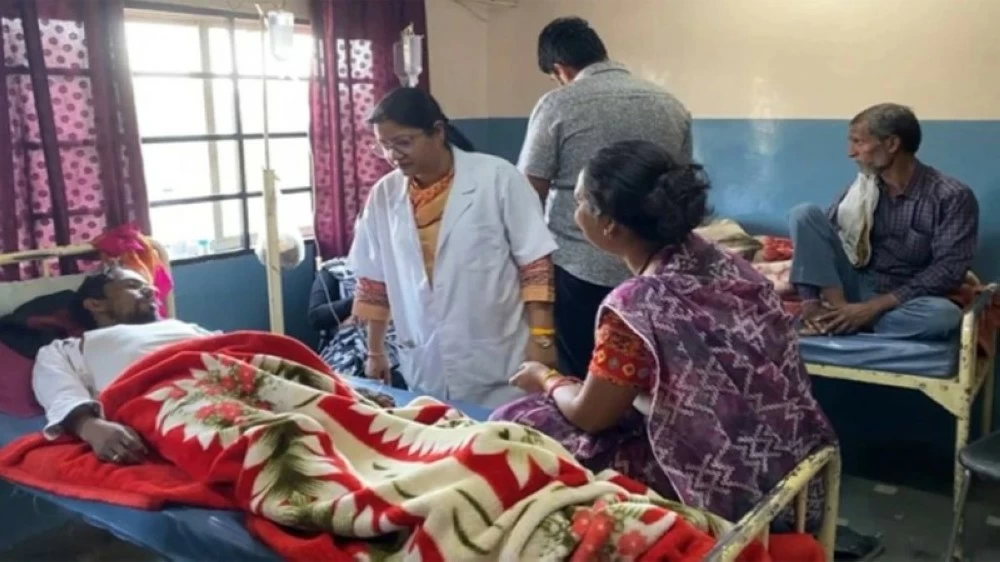
استهلت الهند عام 2026 على وقع فاجعة صحية صادمة، بعدما أدى تلوث مياه الشرب في مدينة إندور بولاية ماديا براديش إلى وفاة 9 أشخاص على الأقل، وإصابة أكثر من 200 آخرين بحالات تسمم حادة، في واحدة من أخطر الكوارث الصحية التي تشهدها المدينة منذ سنوات.
كارثة في «أنظف مدينة»
وجاءت المأساة في توقيت بالغ الحساسية، تزامناً مع احتفالات رأس السنة، وفي مدينة حصدت لقب «أنظف مدينة في الهند» لـ8 سنوات متتالية ضمن تصنيف Swachh Survekshan الرسمي. إلا أن هذا التصنيف لم يمنع وقوع كارثة مائية مروعة في حي بهاغيرثبورا، الذي تحول خلال أيام إلى بؤرة وباء صحي.
بداية الأزمة
وبحسب روايات السكان والتقارير الطبية، بدأت الأزمة أواخر ديسمبر 2025، مع ملاحظات بتغير لون مياه الشرب وظهور رائحة كريهة وطعم مر. وسرعان ما تحولت الشكاوى إلى أعراض صحية خطيرة شملت إسهالاً مائياً حاداً، قيئاً متكرراً، حمى وجفافاً شديداً، ما أدى إلى تكدس المستشفيات بالمصابين، بينهم أطفال وكبار سن.
حصيلة ثقيلة وأرقام مقلقة
وأكد النائب كايلاش فيجايفارغيا أن عدد الوفيات ارتفع إلى 9 حالات داخل المدينة، فيما أوضح كبير المسؤولين الطبيين في إندور مادهاف براساد هاساني أن أكثر من 200 شخص من المنطقة نفسها يتلقون العلاج في مستشفيات مختلفة، مشيراً إلى أن العدد مرشح للزيادة في ظل استمرار ظهور حالات جديدة.
تسرب قاتل في شبكة المياه
وأظهرت التحقيقات الأولية أن السبب المباشر للأزمة هو تسرب في أحد خطوط أنابيب مياه الشرب الرئيسية في منطقة بهاغيرثبورا، ما أدى إلى اختلاط المياه العذبة بمياه صرف صحي ملوثة. وأكدت تحاليل مخبرية وجود بكتيريا برازية خطيرة مثل E. coli وShigella داخل شبكة المياه، وهي بكتيريا معروفة بتسببها في أوبئة الإسهال الحاد.
تحرك حكومي وضغوط قضائية
وأعلنت حكومة ولاية ماديا براديش صرف تعويض مالي قدره 200 ألف روبية هندية (نحو 2400 دولار) لكل أسرة من أسر الضحايا. كما دفعت السلطات بصهاريج مياه نظيفة إلى المناطق المتضررة، وبدأت توزيع أقراص الكلور لتعقيم المياه.
وفي تطور لافت، أمر رئيس وزراء الولاية موهان ياداف بتشكيل لجنة تحقيق عاجلة، وتم إيقاف عدد من مسؤولي بلدية إندور عن العمل، بينما طالبت المحكمة العليا في ماديا براديش – فرع إندور – بتقرير مفصل وسريع حول أسباب الكارثة والمسؤولين عنها.
صدمة وثقة مهزوزة
وأثارت الحادثة حالة من الغضب والقلق بين السكان، الذين تساءلوا عن سلامة البنية التحتية للمياه، خصوصاً في مدينة تُعد نموذجاً وطنياً للنظافة. ومع استمرار التحقيقات، تبقى كارثة إندور تذكيراً قاسياً بأن تلوث مياه الشرب قد يتحول في لحظات إلى قاتل جماعي، إذا ما غابت الرقابة وسلامة الشبكات الحيوية.
India began the year 2026 with a shocking health tragedy, as contamination of drinking water in the city of Indore, Madhya Pradesh, led to the deaths of at least 9 people and the hospitalization of over 200 others with severe poisoning, marking one of the most serious health disasters the city has faced in years.
Disaster in the “Cleanest City”
The tragedy occurred at a highly sensitive time, coinciding with New Year celebrations, in a city that has held the title of “Cleanest City in India” for 8 consecutive years in the official Swachh Survekshan ranking. However, this ranking did not prevent a horrific water disaster from occurring in the Bhagirathpura neighborhood, which quickly turned into a hotspot for a health epidemic.
Beginning of the Crisis
According to residents’ accounts and medical reports, the crisis began in late December 2025, with observations of changes in the color of drinking water, as well as the emergence of a foul smell and bitter taste. Complaints soon escalated into serious health symptoms, including severe watery diarrhea, repeated vomiting, fever, and severe dehydration, leading to hospitals being overwhelmed with patients, including children and the elderly.
Heavy Toll and Alarming Numbers
MP Kailash Vijayvargiya confirmed that the death toll had risen to 9 within the city, while Indore’s Chief Medical Officer Madhav Prasad Hasani stated that over 200 people from the same area are receiving treatment in various hospitals, noting that the number is likely to increase as new cases continue to emerge.
Deadly Leak in the Water Network
Initial investigations revealed that the direct cause of the crisis was a leak in one of the main drinking water pipelines in the Bhagirathpura area, which led to the mixing of fresh water with contaminated sewage. Laboratory analyses confirmed the presence of dangerous fecal bacteria such as E. coli and Shigella within the water network, known for causing outbreaks of severe diarrhea.
Government Action and Legal Pressure
The Madhya Pradesh government announced a financial compensation of 200,000 Indian Rupees (approximately $2,400) for each family of the victims. Authorities also dispatched clean water tankers to the affected areas and began distributing chlorine tablets to disinfect the water.
In a notable development, the state’s Chief Minister Mohan Yadav ordered the formation of an urgent investigation committee, and several Indore municipal officials were suspended from their duties, while the Madhya Pradesh High Court – Indore branch – demanded a detailed and swift report on the causes of the disaster and those responsible for it.
Shock and Eroded Trust
The incident sparked anger and concern among residents, who questioned the safety of the water infrastructure, especially in a city considered a national model for cleanliness. As investigations continue, the Indore disaster serves as a harsh reminder that drinking water contamination can quickly turn into a mass killer if oversight and the integrity of vital networks are neglected.


