



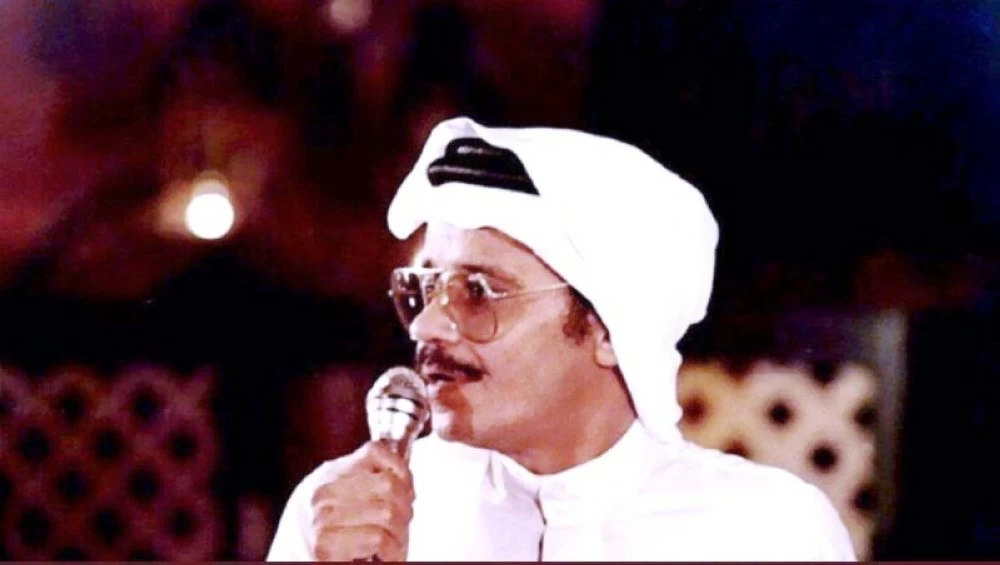
شهد المشهد الثقافي السعودي لحظة استثنائية مع تعاون هيئة الإذاعة والتلفزيون مع هيئة الموسيقى، في إعادة إطلاق «مسرح التلفزيون السعودي» في الرياض، خطوة تعيد وصل الحاضر بإرث فني شكّل وجدان أجيال كاملة وأسهم في صناعة الهوية الموسيقية الوطنية.
ويمتد تاريخ هذا المسرح إلى ستينيات القرن الميلادي الماضي، حين تطوّر «مسرح الإذاعة»، الذي بدأ عام 1961 إلى مسرح تلفزيوني عام 1966، مقدّمًا سهرات غنائية وتمثيلية ومنولوجات أسهمت في انتشار الفن السعودي محليًا وخليجيًا وعربيًا.
ومن على خشبته بزغت أسماء كبرى صنعت ملامح الأغنية السعودية الحديثة، وفي مقدمتها محمد عبده وطلال مداح، اللذان تعرّف إليهما الجمهور مبكرًا عبر البرامج الغنائية، قبل أن يصبحا من أبرز رموز الطرب في المملكة والعالم العربي.
كما احتضن المسرح لاحقًا، حفلات قدّمت أصواتًا متعددة من أجيال متتابعة، من بينهم عبادي الجوهر وعبدالمجيد عبدالله وعلي عبدالكريم، في مشهد رسّخ دوره منصةً لاكتشاف المواهب وصناعة النجوم.
وقد ظل «مسرح التلفزيون» في ذاكرة السعوديين أحد أهم النوافذ التي أوصلت الأغنية المحلية إلى آفاق أوسع، إذ تنافس الفنانون على تقديم أجمل أعمالهم عبره، ما أسهم في تطور الفن الغنائي وانتشاره خارج الحدود.
وتأتي إعادة إطلاق المسرح اليوم متزامنة مع حراك ثقافي متسارع تشهده المملكة، يتضمن مشاريع تعليمية وفنية جديدة في مجالات الموسيقى والمسرح والفنون الأدائية، ضمن توجه إستراتيجي لتعزيز القطاع الثقافي وتنويع حضوره المجتمعي.
وبين ذاكرة الأمس وطموح المستقبل، تبدو عودة «مسرح التلفزيون السعودي» أكثر من مجرد فعالية فنية؛ إنها استعادة لمرحلة صنعت نجومية محمد وطلال وعبدالمجيد وعبادي، وبوابة لولادة أصوات جديدة تكتب فصولها القادمة على خشبةٍ طالما كانت عنوانًا لبداية الحلم الفني في المملكة.
The Saudi cultural scene witnessed an exceptional moment with the collaboration of the Broadcasting and Television Authority and the Music Authority in the relaunch of the “Saudi Television Theater” in Riyadh, a step that reconnects the present with an artistic legacy that has shaped the sentiments of entire generations and contributed to the creation of the national musical identity.
The history of this theater dates back to the 1960s, when the “Radio Theater,” which began in 1961, evolved into a television theater in 1966, presenting musical and theatrical evenings and monologues that contributed to the spread of Saudi art locally, regionally, and across the Arab world.
From its stage emerged major names that shaped the features of modern Saudi song, foremost among them Mohammed Abdu and Talal Maddah, who were introduced to the audience early on through musical programs, before becoming prominent symbols of musical artistry in the Kingdom and the Arab world.
The theater also later hosted concerts featuring diverse voices from successive generations, including Abadi Al-Johar, Abdul Majid Abdullah, and Ali Abdul Karim, in a scene that established its role as a platform for discovering talent and creating stars.
The “Television Theater” has remained in the memory of Saudis as one of the most important windows that brought local songs to broader horizons, as artists competed to present their finest works through it, contributing to the development and spread of musical art beyond borders.
The relaunch of the theater today coincides with a rapidly evolving cultural movement in the Kingdom, which includes new educational and artistic projects in the fields of music, theater, and performing arts, as part of a strategic direction to enhance the cultural sector and diversify its community presence.
Between the memory of yesterday and the ambition of the future, the return of the “Saudi Television Theater” appears to be more than just an artistic event; it is a revival of a phase that created the stardom of Mohammed, Talal, Abdul Majid, and Abadi, and a gateway for the birth of new voices that will write their upcoming chapters on a stage that has long been a symbol of the beginning of the artistic dream in the Kingdom.


