



من تحت التراب، تعود مدينة رومانية منسية في شمال تونس لتفرض نفسها من جديد على خريطة الاكتشافات الأثرية، بعد أن كشفت حفريات علمية حديثة عن كنوز تعود إلى أكثر من 2000 عام، في مشهد يعيد كتابة تاريخ موقع ظلّ طويلاً بعيداً عن الأضواء.
في موقع هنشير الماطرية (نوملولي) بولاية باجة، يواصل فريق علمي تونسي-إيطالي تنفيذ حفريات أثرية دقيقة، ضمن تعاون دولي بين المعهد الوطني للتراث وجامعة ساساري الإيطالية، أسفرت عن اكتشاف معالم ولُقى استثنائية من الفترتين الرومانية والبيزنطية.
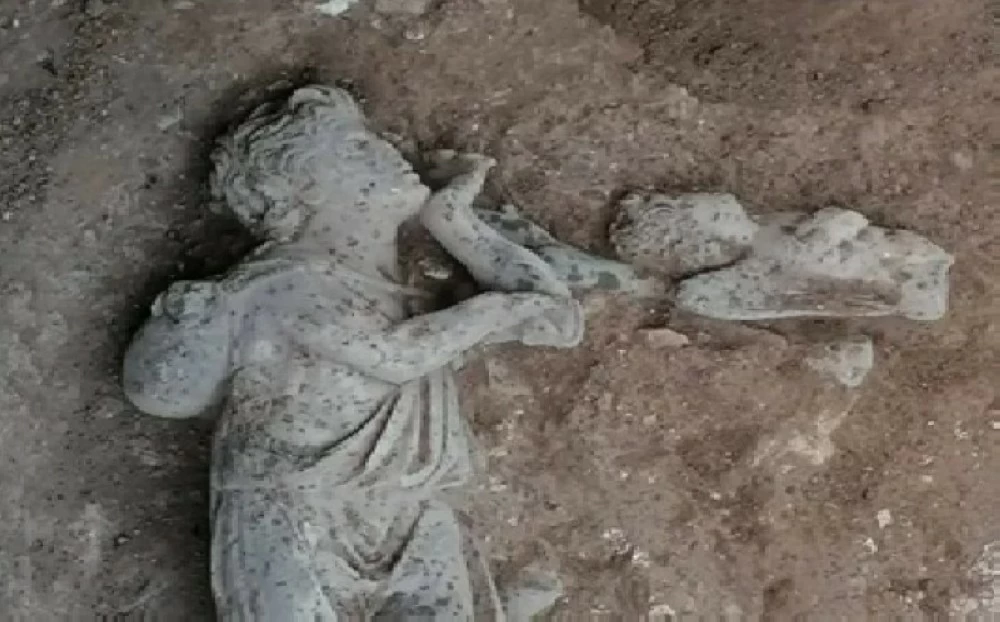
الحفريات التي تركزت على الساحة العمومية والكنيسة البيزنطية، كشفت عن تيجان وأعمدة رومانية ضخمة كانت تزيّن معبد الكابتول، إضافة إلى تماثيل لآلهة رومانية، وقناديل فخارية، ولوحات فسيفساء بيزنطية نادرة، تتميز بدقة فنية عالية وحالة حفظ لافتة.
وبحسب المعهد الوطني للتراث، فإن هذه الاكتشافات لا تكتفي بإثراء المخزون الأثري فحسب، بل تقدم صورة أكثر وضوحاً عن الحياة الدينية والعمرانية لمدينة نوملولي، التي تُعد من أفضل المدن الرومانية حفظاً في شمال تونس.
وتضم المدينة، التي لم تُستكشف إلا جزئياً حتى الآن، ساحة مركزية يتوسطها معبد الكابتول، ومعبدين، وحمّامين رومانيين، إلى جانب مارتيريوم وكنيسة باليو-مسيحية، شكّلت لاحقاً نواة التحول العمراني والديني في الحقبة البيزنطية.
وانطلقت البعثة الأثرية الإيطالية في الموقع منذ 2022، مركّزة على دراسة البنية العمرانية واللُقى المكتشفة، بمشاركة طلبة وباحثين شبّان من تونس وإيطاليا، في إطار مشروع علمي يهدف إلى إعادة الاعتبار لمدينة تاريخية ظلت خارج المسارات السياحية والأكاديمية لعقود.
وتُنفَّذ هذه المهمة بالتنسيق الكامل مع السلطات التونسية، وبدعم من وزارة الشؤون الخارجية والتعاون الدولي الإيطالية، وبمساندة سفارة إيطاليا في تونس.
ويرى مختصون أن ما كُشف عنه حتى الآن قد يكون مجرد بداية، في ظل مؤشرات قوية على وجود طبقات أثرية أعمق لم تُلامس بعد، ما يفتح الباب أمام اكتشافات أكبر قد تجعل من هنشير الماطرية واحداً من أهم المواقع الأثرية في تونس خلال السنوات القادمة.
From beneath the soil, a forgotten Roman city in northern Tunisia is reasserting itself on the map of archaeological discoveries, after recent scientific excavations revealed treasures dating back over 2000 years, in a scene that rewrites the history of a site that has long remained in the shadows.
At the site of Henchir Matariya (Numluli) in the Béja Governorate, a Tunisian-Italian scientific team continues to carry out precise archaeological excavations, as part of an international collaboration between the National Heritage Institute and the University of Sassari in Italy, resulting in the discovery of exceptional features and artifacts from the Roman and Byzantine periods.
The excavations, which focused on the public square and the Byzantine church, uncovered massive Roman capitals and columns that adorned the Capitol temple, in addition to statues of Roman deities, pottery lamps, and rare Byzantine mosaics, distinguished by high artistic precision and remarkable preservation.
According to the National Heritage Institute, these discoveries not only enrich the archaeological inventory but also provide a clearer picture of the religious and urban life of the city of Numluli, which is considered one of the best-preserved Roman cities in northern Tunisia.
The city, which has only been partially explored so far, features a central square dominated by the Capitol temple, two temples, and Roman baths, alongside a martyrium and a Paleo-Christian church, which later formed the nucleus of urban and religious transformation during the Byzantine era.
The Italian archaeological mission at the site began in 2022, focusing on studying the architectural structure and the discovered artifacts, with the participation of young students and researchers from Tunisia and Italy, as part of a scientific project aimed at restoring the significance of a historical city that has remained outside tourist and academic routes for decades.
This mission is being carried out in full coordination with the Tunisian authorities, with support from the Italian Ministry of Foreign Affairs and International Cooperation, and with the backing of the Italian Embassy in Tunisia.
Experts believe that what has been uncovered so far may just be the beginning, given strong indications of deeper archaeological layers that have yet to be touched, opening the door to larger discoveries that could make Henchir Matariya one of the most important archaeological sites in Tunisia in the coming years.


