



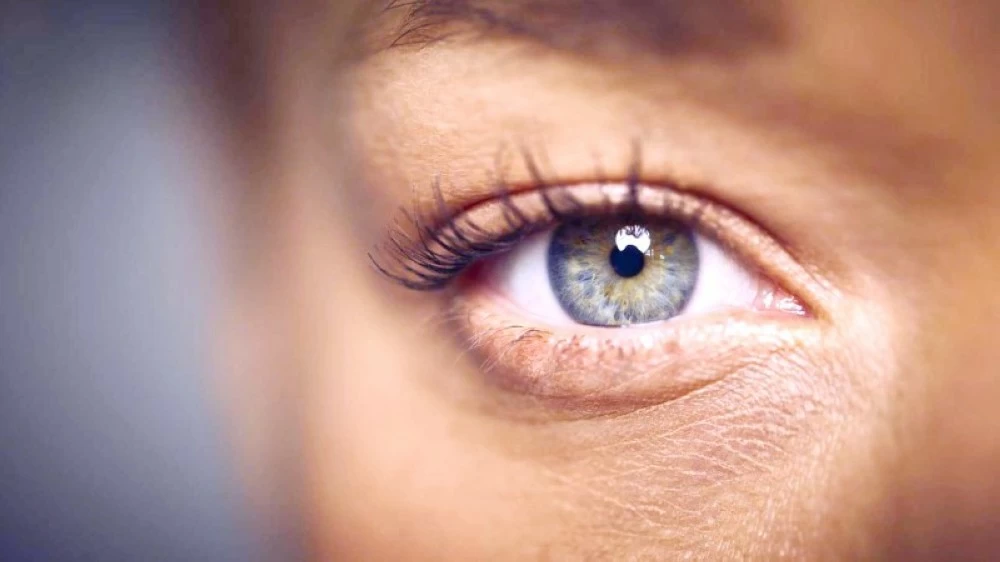
قد تبدو رفرفة الجفن المفاجئة عرضاً عابراً ناتجاً عن الإرهاق أو السهر، إلا أن تقارير طبية تشير إلى أنها قد تحمل دلالات صحية تستحق الانتباه، خصوصاً إذا استمرت أو تكررت بصورة مزعجة.
ويوضح طبيب أمراض الجهاز الهضمي والمدرّب في جامعتي هارفارد الدكتور وستانفورد سوراب سيثي، أن ما يُعرف طبياً باسم ارتعاش الجفن أو الميوكايميا هو تشنج عضلي لا إرادي يصيب غالباً الجفن السفلي، ويكون في معظم الحالات غير خطير، لكنه قد يتحول إلى مؤشر يحتاج لتقييم طبي إذا طال أمده. وبحسب التوصيف الطبي، ترتبط هذه الحالة بعدة أسباب شائعة؛ في مقدمتها الإجهاد المزمن، وقلة النوم، والإفراط في استهلاك الكافيين، والجلوس الطويل أمام الشاشات الرقمية، إضافة إلى نقص بعض المعادن المهمة، وعلى رأسها المغنيسيوم، الذي يلعب دوراً أساسياً في استقرار الإشارات العصبية والعضلية.
كما قد تسهم عوامل أخرى في تحفيز الارتعاش، مثل جفاف العين، أو التحسس من الضوء، أو تهيّج سطح العين، أو التدخين، أو تناول بعض الأدوية التي تؤثر في الجهاز العصبي.
وتشير هيئة الخدمات الصحية الوطنية البريطانية (NHS)، إلى أن تشنجات الجفن تُعد حالة شائعة ونادراً ما تكون علامة على مرض خطير، إلا أنها تؤكد ضرورة مراجعة الطبيب في حالات محددة، أبرزها: استمرار الارتعاش لأكثر من أسبوعين، أو انغلاق الجفن بالكامل أثناء التشنج، أو امتداد التقلصات إلى مناطق أخرى من الوجه، وهي علامات قد تستدعي فحوصات إضافية. ويرى مختصون، أن الوقاية تبدأ بأسلوب حياة متوازن، يشمل النوم الكافي، وتقليل المنبهات، وتنظيم استخدام الشاشات، والحرص على الترطيب الجيد، ما يسهم في تقليل حدة الارتعاش ودعم صحة العين والجهاز العصبي.
An unexpected eyelid twitch may seem like a fleeting symptom resulting from fatigue or lack of sleep, but medical reports indicate that it may carry health implications worth paying attention to, especially if it persists or recurs in a bothersome manner.
Dr. Stanford Surab Sethi, a gastroenterologist and instructor at Harvard and Stanford universities, explains that what is medically known as eyelid twitching or myokymia is an involuntary muscle spasm that often affects the lower eyelid. In most cases, it is not serious, but it can become a sign that requires medical evaluation if it lasts for an extended period. According to medical descriptions, this condition is associated with several common causes, primarily chronic stress, lack of sleep, excessive caffeine consumption, prolonged sitting in front of digital screens, as well as a deficiency in certain essential minerals, especially magnesium, which plays a crucial role in stabilizing nerve and muscle signals.
Other factors may also contribute to triggering the twitching, such as dry eyes, sensitivity to light, irritation of the eye surface, smoking, or taking certain medications that affect the nervous system.
The British National Health Service (NHS) indicates that eyelid spasms are a common condition and rarely indicate a serious illness; however, it emphasizes the necessity of consulting a doctor in specific cases, particularly if the twitching lasts more than two weeks, if the eyelid completely closes during the spasm, or if the contractions extend to other areas of the face, as these are signs that may warrant further examinations. Specialists believe that prevention begins with a balanced lifestyle, including adequate sleep, reducing stimulants, regulating screen time, and ensuring proper hydration, which helps reduce the severity of twitching and supports eye and nervous system health.


