



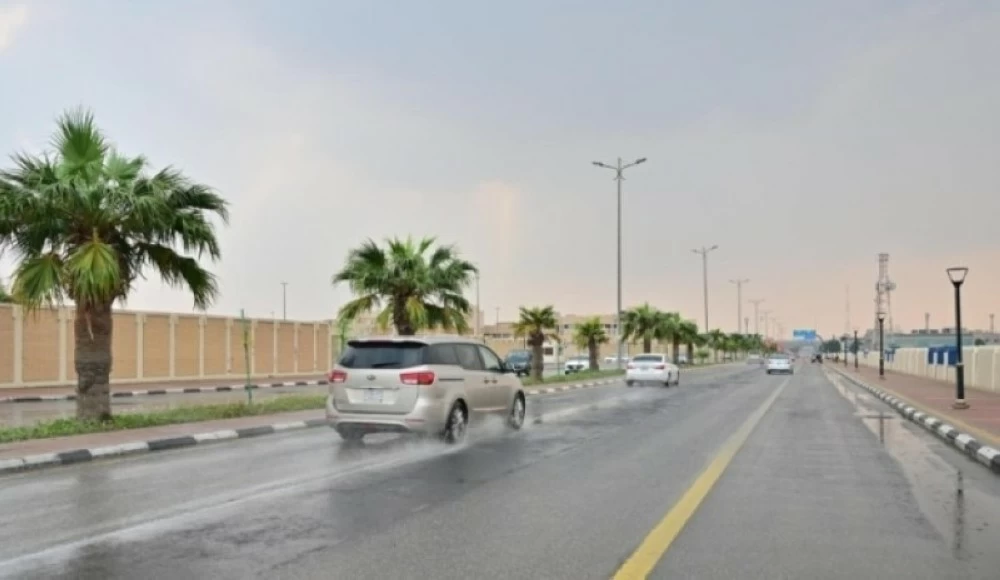
أصدر المركز الوطني للأرصاد تقريره عن التوقعات المناخية للربع الأول من عام 2026 (يناير – فبراير – مارس)، متضمنًا توقعات هطول الأمطار ودرجات الحرارة على مختلف مناطق المملكة، استنادًا إلى مخرجات النماذج المناخية والتحليل الإحصائي للسجلات المناخية.
وأوضح التقرير أن شهر يناير يشير -بمشيئة الله- إلى فرص هطول أمطار أعلى من المعدل الطبيعي على عدد من المناطق، تشمل أجزاء من غرب ووسط المملكة، وشرق المدينة المنورة، وحائل باستثناء جنوبها، والحدود الشمالية، ومنطقة الجوف عدا أجزائها الغربية، وقد توصف كميات الأمطار المتوقعة من غزيرة إلى غزيرة جدًا، في حين يتوقع أن تكون حول المعدل على مناطق نجران، وجنوب شرق مكة المكرمة، وجنوب الرياض، وجنوب المنطقة الشرقية، وشمال شرق القصيم، وأقل من المعدل على بقية المناطق.
وأشار التقرير إلى أن التوقعات المناخية خلال شهر فبراير تظهر فرص هطول أمطار حول المعدل على مناطق نجران، وجنوب شرق مكة المكرمة، وشرق عسير، وجنوب الرياض، وجنوب المنطقة الشرقية، ويمكن وصفها من خفيفة إلى متوسطة، بينما يتوقع أن تكون أقل من المعدل على باقي مناطق المملكة.
وفي ما يخص شهر مارس، أفاد التقرير بوجود فرص لهطول أمطار حول المعدل على مناطق نجران باستثناء غربها، وشمال غرب مكة المكرمة، وجنوب الرياض، وجنوب المنطقة الشرقية، إضافة إلى جنوب وغرب وأجزاء من وسط منطقة تبوك، وشمال وغرب وأجزاء من جنوب منطقة المدينة المنورة، وقد توصف كميات الأمطار المتوقعة من متوسطة إلى غزيرة، فيما يتوقع أن تكون أقل من المعدل على بقية المناطق.
وبَيَّن التقرير أن التوقعات الاحتمالية لدرجات الحرارة خلال أشهر يناير وفبراير ومارس تشير إلى ارتفاع متوسط درجات الحرارة عن المعدل الطبيعي على جميع مناطق المملكة بشكل متفاوت، مع توقع وصول أقصى ارتفاع بنحو (1.0°م) على مناطق وسط وجنوب وشرق المنطقة الشرقية، وشرق نجران، وشرق وجنوب شرق منطقة الرياض.
The National Center of Meteorology has issued its report on climate forecasts for the first quarter of 2026 (January – February – March), including predictions for rainfall and temperatures across various regions of the Kingdom, based on the outputs of climate models and statistical analysis of climate records.
The report indicated that January is expected -God willing- to have higher than normal rainfall opportunities in several areas, including parts of the west and center of the Kingdom, east of Medina, Hail except for its southern parts, the northern borders, and the Al-Jawf region except for its western parts. The expected rainfall amounts may be described as heavy to very heavy, while it is anticipated to be around the average in the regions of Najran, southeast of Mecca, south of Riyadh, south of the Eastern Province, northeast of Al-Qassim, and below average in the rest of the regions.
The report pointed out that the climate forecasts for February show opportunities for rainfall around the average in the regions of Najran, southeast of Mecca, eastern Asir, south of Riyadh, and south of the Eastern Province, which can be described as light to moderate, while it is expected to be below average in the remaining areas of the Kingdom.
Regarding March, the report stated that there are opportunities for rainfall around the average in the regions of Najran except for its west, northwest of Mecca, south of Riyadh, and south of the Eastern Province, in addition to the south, west, and parts of the center of the Tabuk region, and north, west, and parts of the south of the Medina region. The expected rainfall amounts may be described as moderate to heavy, while it is anticipated to be below average in the rest of the regions.
The report clarified that the probabilistic forecasts for temperatures during January, February, and March indicate a rise in the average temperatures above the normal rate across all regions of the Kingdom to varying degrees, with the maximum rise expected to reach about (1.0°C) in the central, southern, and eastern parts of the Eastern Province, east of Najran, and east and southeast of the Riyadh region.


