



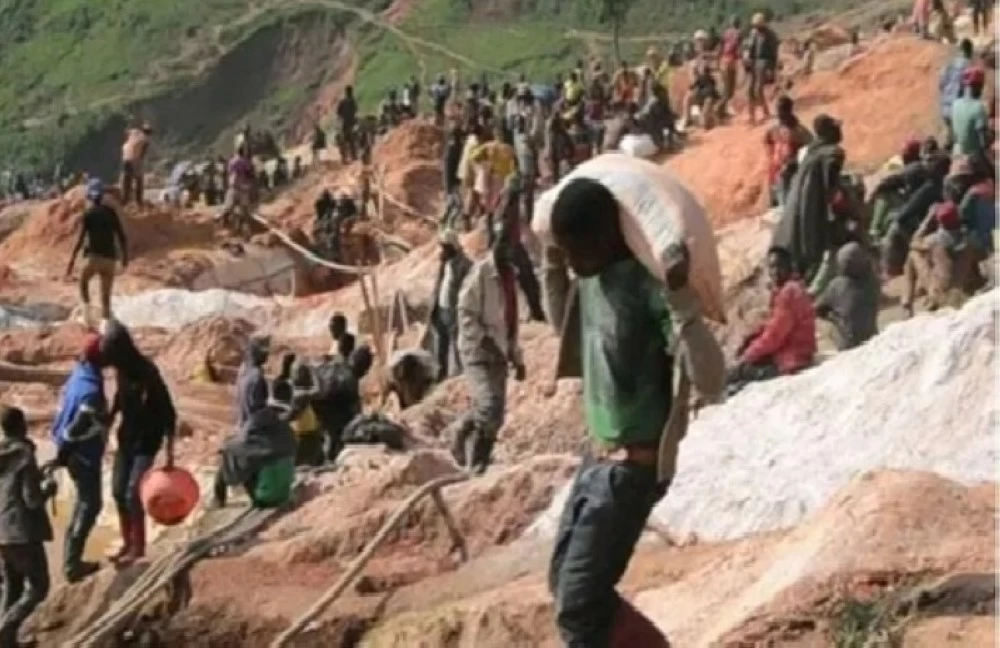
شهد شرق جمهورية الكونغو الديموقراطية هذا الأسبوع واحدة من أكثر الكوارث المأساوية في تاريخ التعدين الحديث، بعد انهيار منجم روبايا للكولتان، ما أسفر عن مقتل أكثر من 200 شخص، بينهم عمال وأطفال ونساء كانوا يتسوقون في السوق المجاورة، وفق ما أكد مسؤول محلي لوكالة رويترز.
ووقع الانهيار الأربعاء في موقع المنجم، الذي ينتج نحو 15٪ من الكولتان عالميًا، المعدن الحيوي المستخدم في صناعة الهواتف المحمولة وأجهزة الكمبيوتر ومكونات الفضاء والتوربينات الغازية. ورغم الجهود العاجلة لإنقاذ بعض الضحايا، فقد أصيب عدد كبير بجروح خطيرة، ولا يزال بعض الناجين في حالة حرجة.
ويعمل معظم السكان المحليين في روبايا بالتنقيب اليدوي مقابل بضعة دولارات يوميًا، في منطقة تسيطر عليها منذ عام 2024 حركة إم 23 المتمردة، المدعومة جزئيًا من رواندا. وتأتي هذه المأساة وسط تواصل النزاعات المسلحة في شرق الكونغو، رغم اتفاقيات السلام الأخيرة والضغط الدولي، بما في ذلك قرار مجلس الأمن التابع للأمم المتحدة بتمديد مهمة حفظ السلام «مونوسكو» لعام إضافي.
وليست هذه المرة الأولى التي يشهد فيها شرق الكونغو سلسلة كوارث مناجم مميتة، إذ وقع في نوفمبر الماضي انهيار آخر في منجم نحاس وكوبالت في كالاندو، أسفر عن مقتل 32 شخصًا نتيجة تدافع العمال على جسر ضعيف.
وأدانت الأمم المتحدة أي هجمات من حركة إم 23، وتطالب رواندا بوقف دعمها للمتمردين، في حين يبقى السكان المحليون عرضة للخطر في مناطق تزداد فيها التوترات الأمنية والمعيشية.
وتسلط هذه الحادثة الضوء على المخاطر الكبيرة التي تواجه عمال المناجم اليدويين في الكونغو، والتي تأتي على الرغم من الطلب العالمي المتزايد على الكولتان، وهو معدن أساسي لتكنولوجيا الهواتف والحواسيب الحديثة، ما يضع المسؤولية على المجتمع الدولي لضمان السلامة وحماية المدنيين في مناطق التعدين الحيوية.
This week, the eastern part of the Democratic Republic of the Congo witnessed one of the most tragic disasters in modern mining history, following the collapse of the Rubaya coltan mine, resulting in the deaths of more than 200 people, including workers, children, and women who were shopping at the nearby market, according to a local official who confirmed to Reuters.
The collapse occurred on Wednesday at the mine site, which produces about 15% of the world’s coltan, a vital mineral used in the manufacture of mobile phones, computers, aerospace components, and gas turbines. Despite urgent efforts to rescue some victims, a large number sustained serious injuries, and some survivors remain in critical condition.
Most local residents in Rubaya work in manual mining for a few dollars a day, in an area controlled since 2024 by the M23 rebel movement, which is partially supported by Rwanda. This tragedy comes amid ongoing armed conflicts in eastern Congo, despite recent peace agreements and international pressure, including a United Nations Security Council resolution to extend the MONUSCO peacekeeping mission for an additional year.
This is not the first time that eastern Congo has witnessed a series of deadly mining disasters, as another collapse occurred last November at a copper and cobalt mine in Kalando, resulting in the deaths of 32 people due to workers rushing onto a weak bridge.
The United Nations condemned any attacks by the M23 movement and called on Rwanda to stop its support for the rebels, while local residents remain at risk in areas where security and living tensions are increasing.
This incident highlights the significant dangers faced by artisanal miners in Congo, which come despite the growing global demand for coltan, a key mineral for modern phone and computer technology, placing the responsibility on the international community to ensure safety and protect civilians in vital mining areas.


