

رداً على اعتراف إسرائيل بإقليم «أرض الصومال»، أعلنت وزارة الخارجية المصرية رفض مصر والصومال وجيبوتي وتركيا أي كيانات موازية تتعارض مع وحدة الدولة الصومالية.
وحدة وسلامة الصومال
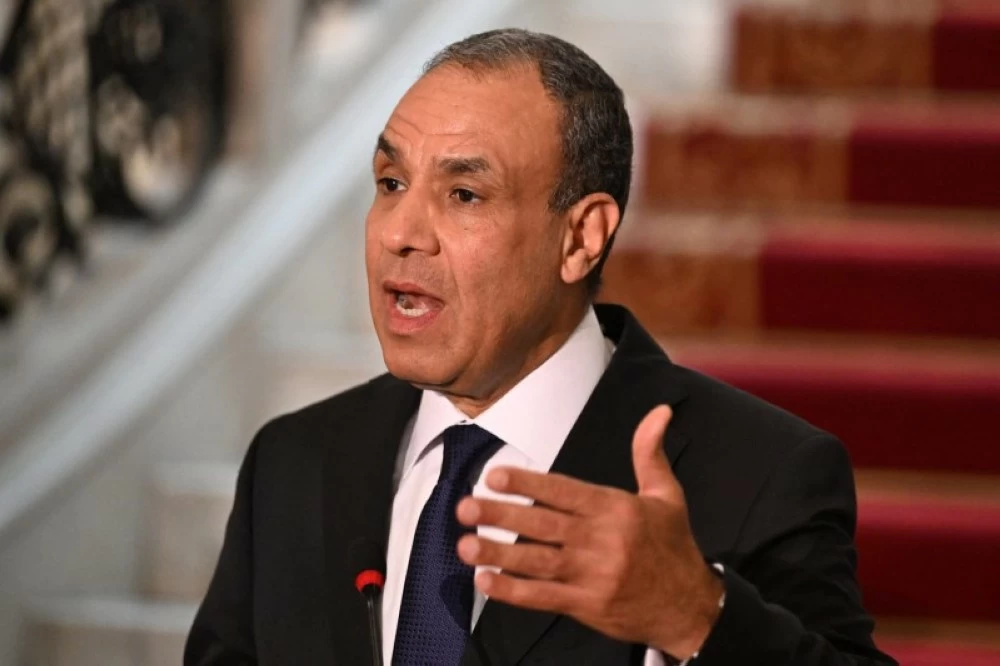
وبحث وزير الخارجية المصري بدر عبدالعاطي، اليوم (الجمعة)، مع نظرائه في الصومال عبدالسلام عبدي علي، تركيا هاكان فيدان، وجيبوتي عبدالقادر حسين عمر، التطورات المرتبطة باعتراف إسرائيل بإقليم صومالي لاند.
وشدد الوزراء على الرفض التام وإدانة اعتراف إسرائيل بإقليم أرض الصومال، مؤكدين الدعم الكامل لوحدة وسيادة وسلامة الأراضي الصومالية، والرفض الكامل لأي إجراءات أحادية من شأنها المساس بالسيادة الصومالية أو تقويض أسس الاستقرار في البلاد.
وأعلن الوزراء دعم مؤسسات الدولة الصومالية الشرعية، ورفض أي محاولات لفرض كيانات موازية تتعارض مع وحدة الدولة الصومالية.
سابقة خطيرة وتهديد للسلم
وأكد الوزراء خلال اتصالاتهم أن الاعتراف باستقلال أجزاء من أراضي الدول يُعد سابقة خطيرة وتهديداً للسلم والأمن الدوليين وللمبادئ المستقرة للقانون الدولي وميثاق الأمم المتحدة، مشددين على أن احترام وحدة وسيادة وسلامة أراضي الدول يمثل ركيزة أساسية لاستقرار النظام الدولي، ولا يجوز المساس به أو الالتفاف عليه تحت أي ذريعة.
ورفض الوزراء أي محاولات لفرض واقع جديد أو إنشاء كيانات موازية تتعارض مع الشرعية الدولية وتقوض فرص تحقيق الأمن والاستقرار والتنمية، كما جرى التأكيد على الرفض القاطع لأية مخططات لتهجير أبناء الشعب الفلسطيني خارج أرضه، التي ترفضها الغالبية العظمى لدول العالم شكلاً وموضوعاً وبشكل قاطع.
لا اعتراف رسمياً
وأعلنت «أرض الصومال» انفصالها عن مقديشو في عام 1991 عقب اندلاع الحرب الأهلية، إلا أنها لم تحصل على اعتراف دولي رسمي من أي دولة عضو في الأمم المتحدة منذ ذلك الحين، وظلت تُعامل دولياً كإقليم ذي حكم ذاتي داخل الصومال الفيدرالي.
وفي مطلع العام 2024، وقعت إثيوبيا مذكرة تفاهم مع «أرض الصومال» تحصل بموجبها أديس أبابا على منفذ بحري وقاعدة عسكرية على البحر الأحمر في ميناء بربرة مقابل الاعتراف الرسمي باستقلال الإقليم.
وأثار الاتفاق غضباً واسعاً في مقديشو، واعتبرته الصومال «عدواناً» على سيادتها، مما دفعها لتعزيز تحالفاتها العسكرية والسياسية مع مصر وتركيا.
In response to Israel’s recognition of the region of “Somaliland,” the Egyptian Ministry of Foreign Affairs announced that Egypt, Somalia, Djibouti, and Turkey reject any parallel entities that contradict the unity of the Somali state.
Unity and Integrity of Somalia
Today (Friday), Egyptian Foreign Minister Badr Abdelatty discussed with his counterparts in Somalia, Abdisalam Abdi Ali, Turkey’s Hakan Fidan, and Djibouti’s Abdiqadir Hussein Omar, the developments related to Israel’s recognition of the Somali region of Somaliland.
The ministers emphasized their complete rejection and condemnation of Israel’s recognition of Somaliland, affirming full support for the unity, sovereignty, and territorial integrity of Somalia, and a total rejection of any unilateral actions that could undermine Somali sovereignty or compromise the foundations of stability in the country.
The ministers announced their support for the legitimate Somali state institutions and rejected any attempts to impose parallel entities that contradict the unity of the Somali state.
A Dangerous Precedent and Threat to Peace
The ministers confirmed during their communications that recognizing the independence of parts of a country’s territory constitutes a dangerous precedent and a threat to international peace and security, as well as to the established principles of international law and the United Nations Charter. They stressed that respecting the unity, sovereignty, and territorial integrity of states is a fundamental pillar for the stability of the international system and must not be violated or circumvented under any pretext.
The ministers rejected any attempts to impose a new reality or create parallel entities that contradict international legitimacy and undermine opportunities for achieving security, stability, and development. They also firmly rejected any plans to displace the Palestinian people from their land, which is categorically rejected by the vast majority of countries around the world both in form and substance.
No Official Recognition
Somaliland declared its independence from Mogadishu in 1991 following the outbreak of civil war, but it has not received official international recognition from any UN member state since then and has continued to be treated internationally as an autonomous region within federal Somalia.
In early 2024, Ethiopia signed a memorandum of understanding with Somaliland, under which Addis Ababa would gain a maritime outlet and a military base on the Red Sea at the port of Berbera in exchange for official recognition of the region’s independence.
The agreement sparked widespread anger in Mogadishu, which considered it an “aggression” against its sovereignty, prompting it to strengthen its military and political alliances with Egypt and Turkey.