



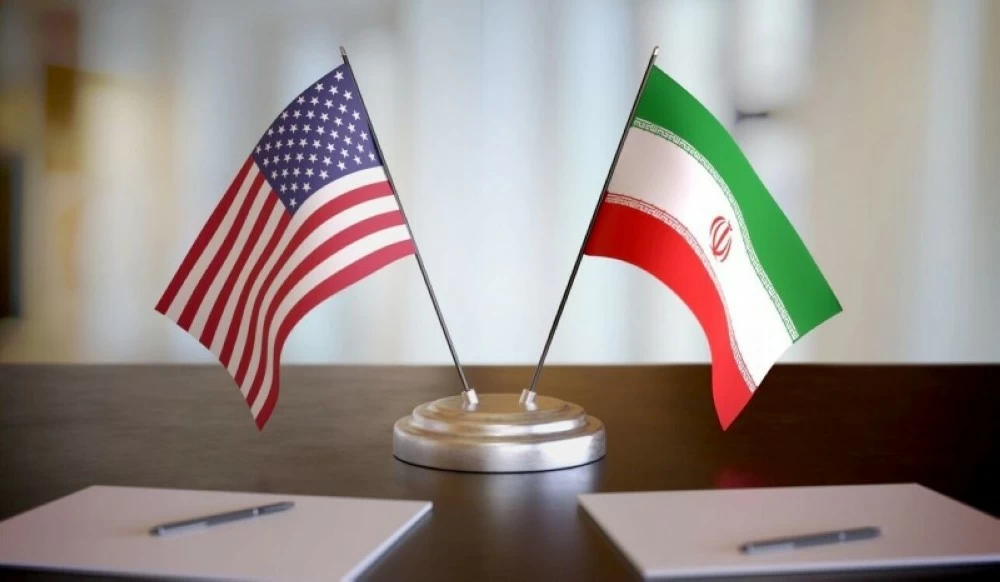
تتجه الأنظار، اليوم (الجمعة)، إلى محادثات واشنطن وطهران، التي لا تمثّل مجرد جولة تفاوضية جديدة في سجل طويل من المحاولات، إنما هي اختبار صامت لمن يملك زمام الوقت أكثر من امتلاكه لأوراق القوة.
ففي لحظة تتراجع فيها الأطر التفاوضية التقليدية، ويغيب الحضور الأوروبي للمرة الأولى عن طاولة اعتادت أن تضم أكثر من طرف، يجلس الأمريكي والإيراني في مواجهة سياسية شبه مباشرة، وسط مناخ حذر سبق انعقاد الجولة وعكس تشدداً متبادلاً في تحديد سقوف الانخراط، إذ لا يُقاس النجاح بما سيُعلن، بل بما سيُفهم في العواصم الإقليمية كإشارة، لا كاتفاق.
في هذا الإطار، تكتسب التحركات السابقة أهمية واضحة في رسم حدود الجولة، سواء لجهة اللقاء، الذي عقد في القدس بين رئيس وزراء الاحتلال بنيامين نتنياهو والمبعوث الأمريكي ستيف ويتكوف، والذي لم يكن مجرد استعراض للوقائع، بل محطة لتنسيق المواقف بين واشنطن وتل أبيب قبل الجلوس مع الإيرانيين. وفيه شدد الجانب الإسرائيلي على ضرورة أن يشمل أي مسار تفاوضي محتمل ملف الصواريخ الباليستية والنفوذ الإقليمي الإيراني، وحاولت واشنطن طمأنتهم دون إغلاق باب الحوار. أو لجهة ما أبلغته إيران للولايات المتحدة، أنها ستناقش فقط برنامجها النووي، ما يحدد سقف التوافق المتوقع ويضع حدوداً واضحة أمام أي نقاش موسع حول الملفات الإقليمية. هذا الإطار يعكس كيف أن كل تحرك على الطاولة الأمريكية‑الإيرانية يجب فهمه في سياق توازنات إقليمية أوسع، إذ إن كل طرف يسعى لقراءة خطوات الآخر بعناية قبل أن يتحول أي تقدم إلى اتفاق ملموس.
غياب الأوروبيين عن الطاولة، ليس مجرد تفصيل شكلي، بل يعكس بدوره تحولاً في إدارة الملف الإيراني، إذ يعاد ترتيب الأولويات بعيداً عن الصيغ متعددة الأطراف. فهذه الجولة لن تنتهي إلى اتفاق شامل يغطي كل الملفات دفعة واحدة، بل تهدف إلى رسم الحدود الممكن التوافق عليها وتحديد النقاط التي ستظل موضع خلاف. فيما التوقيت يعكس حاجة استراتيجية: إدارة التوتر الإقليمي للحد من أي تصعيد قد يخرج عن السيطرة.
السيناريوهات المتوقعة
من منظور السيناريوهات، تظهر ثلاثة احتمالات رئيسية تُقرأ في ضوء المناخ الحذر الذي سبق انعقاد الجولة، إذ لا تطرح كمسارات حسم بل كإطارات محتملة لإدارة التباين القائم بين واشنطن وطهران:
السيناريو الأول:
اختراق محدود يركز على الملف النووي، وهو السيناريو الأكثر تداولاً، ويقوم على تفاهمات جزئية تتصل بمستويات تخصيب اليورانيوم وآليات الرقابة، مقابل تخفيف مدروس لبعض العقوبات. في هذا الإطار، لا يُنظر إلى أي تقدم محتمل بوصفه مدخلاً لاتفاق شامل، بل كخطوة تهدف إلى ضبط الإيقاع ومنع الانزلاق نحو مواجهة مفتوحة. ويظل هذا السيناريو محكوماً بسقف واضح، يستبعد الخوض في ملفات الصواريخ أو النفوذ الإقليمي بما يعكس رغبة الطرفين في تحقيق مكاسب محدودة من دون كُلفة سياسية أو استراتيجية مرتفعة.
السيناريو الثاني:
إدارة الخلاف من دون نتائج ملموسة، وفي هذا الاحتمال، تتحول الجولة إلى قناة تواصل أكثر منها مساراً تفاوضياً فعلياً، مع التركيز على إبقاء الخطوط مفتوحة وتفادي أي تصعيد غير محسوب.
هذا السيناريو ينسجم مع مؤشرات ميدانية وسياسية توحي بأن خيار القوة لم يستبعد بالكامل، لكنه يخضع في المقابل لضوابط دقيقة تمنع تحوله إلى مواجهة مباشرة. الإعلام الإيراني يتعامل مع هذا المسار بوصفه الأقل كلفة في المرحلة الحالية، شرط ألا يقترن بشروط أمريكية تعد تجاوزاً للخطوط الحمراء، ما يجعل المحادثات جزءاً من إدارة أزمة مستمرة لا من حلها.
السيناريو الثالث:
توسيع النقاش تدريجياً عبر مسارات موازية، وهو السيناريو الأقل ترجيحاً لكنه حاضر في بعض الأوساط الأمريكية، ويقوم على إدخال ملفات إقليمية وصاروخية بشكل غير مباشر أو عبر قنوات جانبية. هذا المسار يواجه تحفظاً إيرانياً واضحاً في ظل خشية من ربط أي تقدم نووي بتنازلات أوسع تمس توازنات إقليمية حساسة. كما يثير هذا السيناريو قلق أطراف إقليمية تخشى أن تُدار تفاهمات معقدة خلف الكواليس، ما يجعله رهناً بحسابات دقيقة تتجاوز طاولة التفاوض المباشر.
تحديات وغياب الأوروبيين
التحديات التي تواجه هذه الجولة تتجاوز مجرد محتوى الملفات. فالتباين في التقديرات حول البرنامج النووي الإيراني، وتطور برامج الصواريخ، وتعقيد دور وكلاء مختلفين في المنطقة، يجعل أي اتفاق محدود هشاً ما لم يصاحبه التزام دقيق من كلا الطرفين. وغياب الوسطاء الأوروبيين سيزيد من الاعتماد على القنوات المباشرة والرسائل غير المعلنة بين واشنطن وطهران، ويجعل أي تقدم مرحلي دبلوماسياً محسوباً بعناية فائقة.
الجانب الإقليمي يلعب بالمقابل دوراً محورياً في هذا الإطار. الدولة المضيفة ستحاول الحفاظ على موقع وسيط قادر على التواصل مع الطرفين، بينما تراقب دول المنطقة الخطوة بدقة، متيقظة لأي انعكاس على موازين القوى أو صفقات أمنية وسياسية مستقبلية. إسرائيل ودول الخليج، وحتى روسيا والصين، يتابعون النتائج عن قرب، كل بحسب رؤيته، الأمر الذي قد يزيد من تعقيد المسار ويحوّل أي تقدم مرحلي إلى إشارة استراتيجية تتجاوز الطابع التفاوضي المباشر.
حلقة في مسار إدارة التوتر
تثير محادثات اليوم أسئلة تتجاوز ما هو معلن على الطاولة، ليس بوصفها محطة حسم بل كحلقة في مسار إدارة التوتر في المنطقة. إلى أي حد يمكن أن تسهم هذه الجولة في ضبط مسار التصعيد الإقليمي، دون أن تتحول إلى مدخل لتنازلات جوهرية في الملفات الأخرى؟.
وكيف ستُقرأ الإشارات المتبادلة بين الطرفين في العواصم الإقليمية والدولية؟، وهل يمكن أن تتحول إلى أرضية لتفاهمات مرحلية أم ستظل ضمن إطار تهدئة مؤقتة؟ وما الدور الذي يمكن أن تلعبه الدول العربية والفاعلون الإقليميون والدوليون في إعادة ضبط التوازن بين الأطراف دون الانزلاق إلى مواجهة مفتوحة؟
وأخيراً، هل تشكل هذه الجولة بداية لإعادة تعريف قواعد التفاوض أم حلقة إضافية في دورة مستمرة من التوتر والمفاوضات المؤجلة؟.
Today (Friday), attention is focused on the talks between Washington and Tehran, which do not represent just a new round of negotiations in a long record of attempts, but rather a silent test of who holds the reins of time more than the cards of power.
At a moment when traditional negotiation frameworks are declining, and European presence is absent for the first time from a table that used to include more than one party, the American and Iranian sit in a nearly direct political confrontation, amidst a cautious atmosphere that preceded the round and reflected mutual rigidity in defining the ceilings of engagement, as success is not measured by what will be announced, but by what will be understood in regional capitals as a signal, not as an agreement.
In this context, previous movements gain clear importance in delineating the boundaries of the round, whether in terms of the meeting that took place in Jerusalem between Israeli Prime Minister Benjamin Netanyahu and American envoy Steve Wietcov, which was not just a showcase of facts, but a stop for coordinating positions between Washington and Tel Aviv before sitting with the Iranians. In it, the Israeli side emphasized the necessity for any potential negotiation track to include the file of ballistic missiles and Iranian regional influence, while Washington attempted to reassure them without closing the door to dialogue. Or in terms of what Iran conveyed to the United States, that it would only discuss its nuclear program, which sets a ceiling for the expected agreement and places clear limits on any expanded discussion regarding regional files. This framework reflects how every move on the American-Iranian table must be understood in the context of broader regional balances, as each party seeks to carefully read the other’s steps before any progress turns into a tangible agreement.
The absence of Europeans from the table is not just a formal detail, but also reflects a shift in managing the Iranian file, as priorities are being rearranged away from multilateral formats. This round will not end in a comprehensive agreement covering all files at once, but aims to delineate the boundaries that can be agreed upon and identify the points that will remain contentious. Meanwhile, the timing reflects a strategic need: managing regional tension to limit any escalation that may spiral out of control.
Expected Scenarios
From the perspective of scenarios, three main possibilities emerge, read in light of the cautious atmosphere that preceded the round, as they are not presented as decisive paths but as potential frameworks for managing the existing divergence between Washington and Tehran:
Scenario One:
A limited breakthrough focusing on the nuclear file, which is the most circulated scenario, based on partial understandings related to uranium enrichment levels and monitoring mechanisms, in exchange for a measured easing of some sanctions. In this context, any potential progress is not viewed as an entry point for a comprehensive agreement, but as a step aimed at regulating the pace and preventing a slide into open confrontation. This scenario remains governed by a clear ceiling, excluding delving into missile files or regional influence, reflecting both parties’ desire to achieve limited gains without high political or strategic costs.
Scenario Two:
Managing the disagreement without tangible results, in this possibility, the round transforms into a communication channel more than an actual negotiation path, focusing on keeping lines open and avoiding any uncalculated escalation.
This scenario aligns with field and political indicators suggesting that the option of force has not been entirely ruled out, but is subject to precise controls preventing it from turning into direct confrontation. The Iranian media treats this path as the least costly in the current phase, provided it is not accompanied by American conditions deemed to cross red lines, making the talks part of managing an ongoing crisis rather than resolving it.
Scenario Three:
Gradually expanding the discussion through parallel tracks, which is the least likely scenario but is present in some American circles, based on introducing regional and missile files indirectly or through side channels. This path faces clear Iranian reservations amid fears of linking any nuclear progress to broader concessions affecting sensitive regional balances. This scenario also raises concerns among regional parties fearing that complex understandings may be managed behind the scenes, making it contingent on precise calculations that exceed the direct negotiation table.
Challenges and the Absence of Europeans
The challenges facing this round go beyond just the content of the files. The divergence in assessments regarding the Iranian nuclear program, the development of missile programs, and the complexity of the roles of various proxies in the region makes any limited agreement fragile unless accompanied by precise commitments from both parties. The absence of European mediators will increase reliance on direct channels and unannounced messages between Washington and Tehran, making any phased diplomatic progress calculated with extreme care.
The regional side plays a pivotal role in this context. The host country will try to maintain its position as a mediator capable of communicating with both parties, while regional countries closely monitor the step, alert to any reflection on the balance of power or future security and political deals. Israel and Gulf states, as well as Russia and China, are closely following the results, each according to its perspective, which may complicate the path and turn any phased progress into a strategic signal that transcends the direct negotiating nature.
A Link in the Path of Managing Tension
Today’s talks raise questions that go beyond what is announced on the table, not as a decisive station but as a link in the path of managing tension in the region. To what extent can this round contribute to regulating the course of regional escalation, without turning into an entry point for substantial concessions in other files?
And how will the mutual signals between the two parties be read in regional and international capitals? Can they turn into a ground for phased understandings, or will they remain within the framework of temporary de-escalation? What role can Arab countries and regional and international actors play in recalibrating the balance between the parties without slipping into open confrontation?
Finally, does this round represent the beginning of redefining negotiation rules, or is it an additional link in a continuous cycle of tension and postponed negotiations?


