

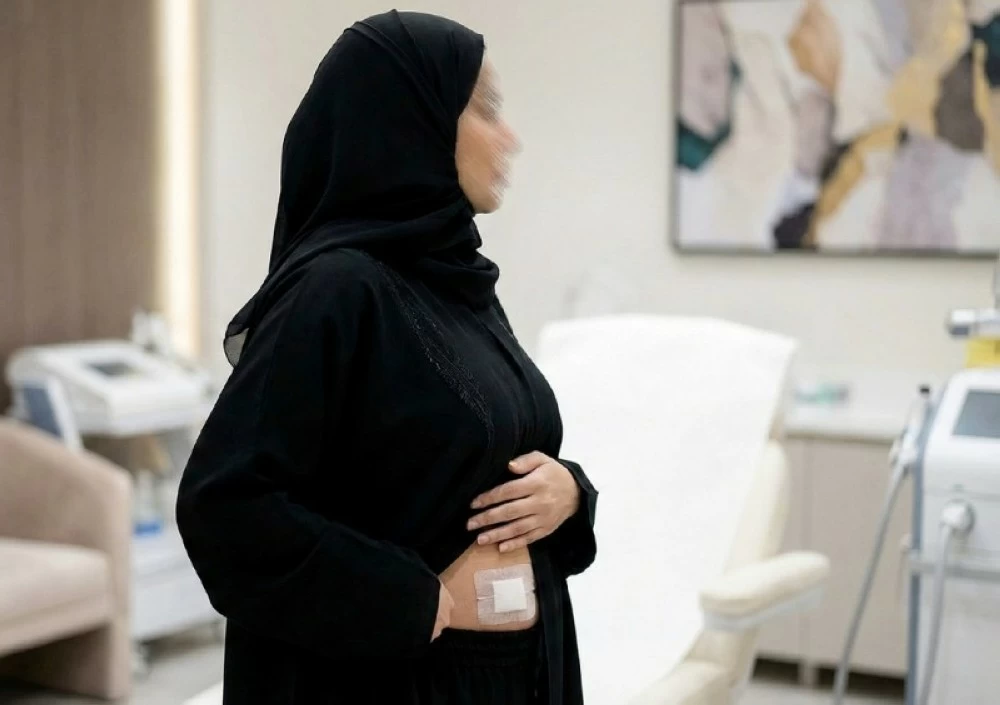
كشفت عروس سعودية لـ«عكاظ»، وقوعها في خصومة مع عريسها بعد ليلة الزفاف، إذ اكتشف العريس أنها أجرت عملية «تكميم» لم تفصح عنها في فترة الخطوبة.
وقالت: طلقني بعد يوم من الزفاف ويطالب بالمهر، مبرراً ذلك بأنني خدعته بعدم إبلاغه قبل الزواج بأنني أجريت عملية تكميم معدة لإنقاص الوزن تركت أثراً بسيطاً على جسدي بسبب مشرط الجراح. وأضافت: لم يسألني هو وأسرته عن الوزن أو إن كنت خضعت لعمليات تجميل، ولو سألوني لأجبتهم بلا تردد.
وتابعت العروس حديثها لـ«عكاظ»، قائلة: إن مثل هذه العمليات تعد شأناً خاصاً، وهي تجميلية لإنقاص الوزن، وليست من شروط الزواج الإفصاح عن مثل هذه العمليات التي باتت من متطلبات الجمال للنساء. وأشارت إلى أنه لم يسألها عن وزنها أو عن سجلها الصحي أو أي معلومات تتعلق بصحتها ولياقتها البدنية.
المحامي طرابلسي: للفسخ توصيف محدّد لا يتسع للذائقة
عن هذه الواقعة قال المحامي فراس طرابلسي لـ«عكاظ»: إنها لا تُقرأ نظاماً بمنطق الانطباع أو التوقع الشخصي، وإنما تُوزن بميزان قانوني دقيق رسمه نظام الأحوال الشخصية، وحدد فيه متى يكون الفسخ مشروعاً ومتى لا يُعتد بالادعاء، فالمادة (104) اشترطت لطلب فسخ عقد الزواج وجود علة مضرة أو منفرة تمنع المعاشرة الزوجية، وهو توصيف محدد لا يتسع للتقدير الشكلي أو الذائقة الحسية لأحد الأطراف، ولا يقوم على الشك أو الافتراض، كما قررت أن تقدير العلة ليس متروكاً لأحد الزوجين، بل من اختصاص المحكمة، ولها الاستعانة بالخبرة الطبية المختصة لتحديد ما إذا كانت العلة قائمة أصلاً، وما إذا كانت مؤثرة على المعاشرة الزوجية من عدمه.
وأضاف المحامي طرابلسي: إن النظام لا ينظر إلى الإجراء الطبي بذاته، وإنما إلى أثره الفعلي. فالعلة الموجبة للفسخ لا تُفترض لمجرد الخضوع لعملية جراحية، ولا تُستنتج من مسماها، بل تُقدَّر بناءً على نتيجتها الواقعية، أما العمليات العلاجية الشائعة، ومنها عملية تكميم المعدة، فلا تُعد في ذاتها سبباً لإنهاء عقد الزواج، ما لم يثبت بدليل طبي معتبر أنها أفضت إلى مانع حقيقي يمنع الحياة الزوجية، وبالتالي، فإن توصيف العملية على أنها «تشويه» أو الادعاء بعدم «الانتفاع» توصيف شخصي لا ينهض الى مرتبة السبب النظامي، ولا يُبنى عليه حكم قضائي، ما لم يُثبت وجود ضرر جوهري ثابت يمنع المعاشرة الزوجية فعلياً، لا على سبيل التوقع أو التصور المسبق. فالنظام لا يُقيم الحقوق على الظنون، ولا يبني الأحكام على الشك.
ربط استرداد المهر بتوقيت العلة
بشأن الآثار المالية، أشار المحامي طرابلسي إلى أن المادة 105 نظمت مسألة المهر تنظيماً دقيقاً، وربطت استحقاقه أو استرداده بتوقيت العلة، وتوقيت الفسخ، وحصول الدخول أو الخلوة من عدمه، فلا يُسترد المهر تلقائياً لمجرد الادعاء، ولا تُسقط حقوق الزوجة إلا في حالات محددة ومقيدة نصّاً، «ومع ذلك، يبقى الصلح خير وأصلاً مقدّماً في مثل هذه الخلافات، متى أُحسن حمله بين يدي العقلاء من الأسرتين، لإصلاح ذات البين وتقريب وجهات النظر قبل الانزلاق إلى خصومة قد تُثقِل كاهل الجميع وفي هذا السياق، ليس أجمل مما قيل عن عمر بن الخطاب رضي الله عنه، حين جاءه رجل يريد طلاق امرأته، فقال له: ولمَ؟ قال: لأني لا أحبها. فقال عمر: وهل كل البيوت بُنيت على الحب؟ فأين المروءة والذمة! في إشارة إلى أن استدامة البيوت تقوم على المسؤولية والحكمة، لا على كمال المشاعر».
الإخصائية الحمزي: أبعاد نفسية معقّدة للتكميم
الأخصائية الاجتماعية حنان الحمزي قالت لـ«عكاظ»: إن طلاق الزوجة بعد الخضوع لعملية تكميم المعدة قد تكون له أبعاد اجتماعية ونفسية معقّدة، ومن الآثار المصاحبة للتكميم التغيّرات النفسية والاجتماعية، أبرزها فقدان التوازن العاطفي في المرحلة الأولى بعد العملية، ما قد ينعكس على العلاقة الزوجية.
وبيّنت الحمزي أن هذه التغيرات قد تتطور إلى أعراض نفسية؛ مثل الاكتئاب، القلق، ضعف القدرة على حل المشكلات سواء داخل المنزل أو في بيئة العمل، إضافة إلى فقدان الثقة بالنفس وتجنب المواجهة في مختلف المواقف. كما أشارت إلى وجود آثار أخرى قد تكون شكلية، تؤدي إلى عدم التوافق الجسدي أو النفسي بين الزوجين، الأمر الذي يسهم في تراجع جودة الحياة الزوجية. وأضافت أن هناك بعض الحالات أُدخلت إلى أقسام الطب النفسي لتلقي العلاج، نتيجة مضاعفات نفسية صاحبت عمليات التكميم، ما يؤكد أهمية الاستعداد النفسي والمتابعة المتخصصة بعد الإجراء.
وعلى الصعيد الأسري، شددت الأخصائية الاجتماعية على ضرورة إطلاع الزوج على أي إجراء تجميلي أو صحي تُقدم عليه الزوجة، تفادياً لحدوث مشكلات أسرية قد تنشأ بسبب الشك أو فقدان الثقة، كما لفتت إلى أن التغيرات الطارئة بعد التكميم، مثل ترهل الجلد، الفقدان السريع للوزن، والتقلبات المزاجية، قد تؤثر على تقبل الزوج لشكل زوجته الجديد، وفي حال غياب التفاهم والدعم المتبادل، قد تتفاقم الخلافات وصولاً إلى الملل ثم الطلاق.
A Saudi bride revealed to “Okaz” that she had a dispute with her groom after the wedding night, as the groom discovered that she had undergone a “gastric sleeve” surgery that she did not disclose during the engagement period.
She said: He divorced me a day after the wedding and is demanding the dowry, justifying this by claiming that I deceived him by not informing him before marriage that I had undergone gastric sleeve surgery for weight loss, which left a slight mark on my body due to the surgeon’s scalpel. She added: He and his family did not ask me about my weight or whether I had undergone cosmetic surgeries, and if they had asked, I would have answered them without hesitation.
The bride continued her conversation with “Okaz,” saying: Such surgeries are a private matter; they are cosmetic for weight loss and are not a condition of marriage to disclose such procedures, which have become beauty requirements for women. She pointed out that he did not ask her about her weight or her health record or any information related to her health and physical fitness.
Lawyer Tarablsi: There is a specific description for annulment that does not accommodate personal taste
Regarding this incident, lawyer Firas Tarablsi told “Okaz”: It should not be interpreted legally based on personal impressions or expectations, but rather weighed by a precise legal standard established by the Personal Status Law, which specifies when annulment is legitimate and when claims are not considered. Article (104) requires that there be a harmful or repulsive cause that prevents marital cohabitation for a request to annul the marriage contract, which is a specific description that does not allow for subjective estimation or personal taste of either party, nor is it based on doubt or assumption. It also determined that the assessment of the cause is not left to either spouse but is the court’s jurisdiction, which may seek assistance from specialized medical expertise to determine whether the cause exists at all and whether it affects marital cohabitation.
Lawyer Tarablsi added: The law does not look at the medical procedure itself but rather at its actual effect. A cause for annulment is not presumed merely due to undergoing a surgical procedure, nor is it inferred from its name; rather, it is assessed based on its actual outcome. Common therapeutic procedures, including gastric sleeve surgery, are not in themselves grounds for terminating the marriage contract unless it is proven by credible medical evidence that they resulted in a real impediment to marital life. Therefore, describing the procedure as “mutilation” or claiming a lack of “benefit” is a personal description that does not rise to the level of a legal cause and cannot be the basis for a judicial ruling unless it is proven that there is a substantial harm that effectively prevents marital cohabitation, not based on expectation or preconceived notions. The law does not establish rights on assumptions, nor does it base rulings on doubt.
Linking the recovery of the dowry to the timing of the cause
Regarding financial implications, lawyer Tarablsi pointed out that Article 105 precisely organized the issue of the dowry, linking its entitlement or recovery to the timing of the cause, the timing of annulment, and whether there was consummation or seclusion. The dowry is not automatically refundable merely due to a claim, and the wife’s rights are not forfeited except in specific and restricted cases as stipulated. “Nevertheless, reconciliation remains better and a preferred principle in such disputes, whenever it is handled wisely by the rational members of both families, to mend relations and bring viewpoints closer before slipping into a dispute that could burden everyone. In this context, nothing is more beautiful than what was said about Umar ibn al-Khattab, may Allah be pleased with him, when a man came to him wanting to divorce his wife. He asked him: Why? The man replied: Because I do not love her. Umar said: Are all houses built on love? Where is the honor and responsibility! This indicates that the sustainability of homes is based on responsibility and wisdom, not on perfect feelings.”
Specialist Al-Hamzi: Complex psychological dimensions of gastric sleeve surgery
Social specialist Hanan Al-Hamzi told “Okaz”: The divorce of a wife after undergoing gastric sleeve surgery may have complex social and psychological dimensions. Among the accompanying effects of the surgery are psychological and social changes, the most prominent of which is the loss of emotional balance in the initial phase after the procedure, which may reflect on the marital relationship.
Al-Hamzi explained that these changes may develop into psychological symptoms such as depression, anxiety, and a diminished ability to solve problems both at home and in the work environment, in addition to a loss of self-confidence and avoidance of confrontation in various situations. She also pointed out that there may be other superficial effects that lead to a lack of physical or psychological compatibility between the spouses, which contributes to a decline in the quality of marital life. She added that there are some cases that have been admitted to psychiatric departments for treatment due to psychological complications accompanying gastric sleeve surgeries, which underscores the importance of psychological preparation and specialized follow-up after the procedure.
On the family level, the social specialist emphasized the necessity of informing the husband about any cosmetic or health procedure the wife undergoes to avoid familial problems that may arise due to suspicion or loss of trust. She also noted that the sudden changes after gastric sleeve surgery, such as skin sagging, rapid weight loss, and mood swings, may affect the husband’s acceptance of his wife’s new appearance. In the absence of understanding and mutual support, conflicts may escalate to boredom and then divorce.