

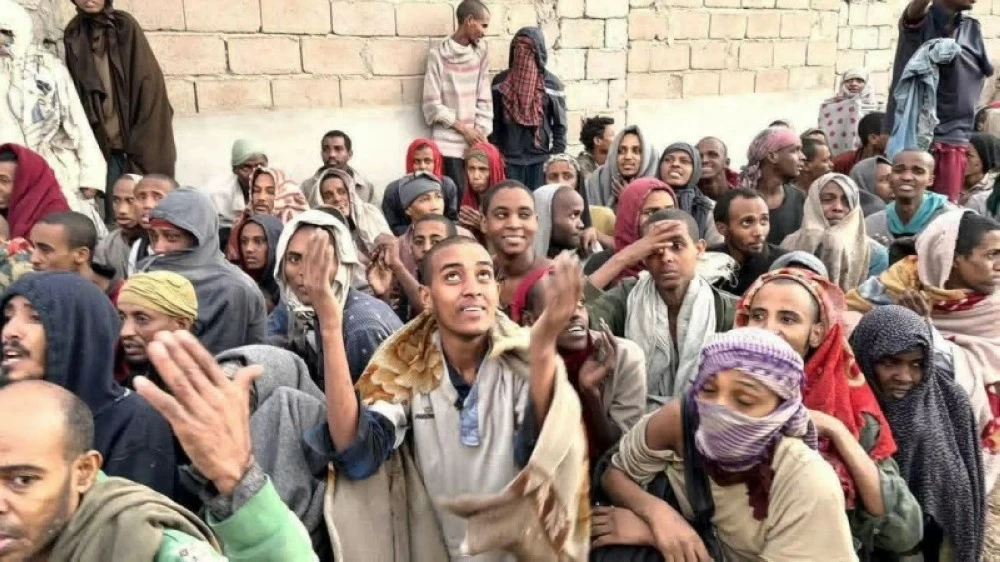
أعلنت السلطات الأمنية في مدينة الكفرة بجنوب شرق ليبيا، عن اكتشاف سجن سري ضخم مخصص لاحتجاز المهاجرين غير الشرعيين وراغبي عبور الحدود نحو أوروبا، في عملية أمنية وُصفت بأنها من أكبر العمليات من نوعها في المنطقة خلال السنوات الأخيرة.
وتمكنت قوات مشتركة من الجيش الوطني الليبي وجهاز مكافحة الهجرة غير الشرعية، بدعم من معلومات استخباراتية، من اقتحام المنشأة السرية الواقعة في منطقة نائية على مشارف مدينة الكفرة، حيث عُثر على أكثر من 210 مهاجرين محتجزين في ظروف إنسانية كارثية.
مجمع محصّن تحت الأرض
وصف الناجون المنشأة بأنها عبارة عن مجمع تحت الأرض ومبانٍ محصنة تضم غرفاً مكتظة دون تهوية كافية، مع وجود أقفال حديدية وكاميرات مراقبة، وأن المهاجرين كانوا يتعرضون للضرب والتعذيب والابتزاز المالي من قبل حراس يعملون تحت إمرة شبكة تهريب منظمة.
وحررت السلطات الأمنية جميع المحتجزين وتم قلهم إلى مراكز إيواء مؤقتة في الكفرة، حيث تلقوا الرعاية الطبية والغذائية الأولية.
وأفادت التحقيقات الأولية بأن معظم الضحايا ينحدرون من دول أفريقيا جنوب الصحراء (السودان، تشاد، النيجر، إريتريا، نيجيريا)، وكانوا ينتظرون دفع فدية من ذويهم أو تنظيم رحلات عبور إلى السواحل الليبية الشمالية.
وأكد مسؤول أمني في الكفرة أن «هذه العملية جزء من حملة شاملة لتفكيك شبكات التهريب البشري والإتجار بالبشر في جنوب ليبيا»، مشيراً إلى استمرار التحقيقات للكشف عن المتورطين والجهات الداعمة.
نقطة عبور للمهاجرين غير الشرعيين
وتُعد منطقة الكفرة إحدى أهم نقاط العبور الرئيسية للمهاجرين غير الشرعيين في ليبيا، بسبب موقعها الجغرافي الإستراتيجي على المثلث الحدودي بين ليبيا والسودان وتشاد.
ومنذ سقوط نظام القذافي 2011، تحولت المنطقة إلى ممر رئيسي لشبكات التهريب البشري، حيث يستغل المهربون الفوضى الأمنية والصراعات المسلحة لإنشاء مراكز احتجاز سرية أو شبه رسمية.
في السنوات الأخيرة، كثّفت السلطات في شرق ليبيا والجيش الوطني الليبي، حملاتها ضد هذه الشبكات، خصوصاً بعد ضغوط دولية متزايدة من الاتحاد الأوروبي والأمم المتحدة، إلى جانب تقارير منظمات حقوقية وثّقت انتهاكات جسيمة في مراكز الاحتجاز الليبية.
The security authorities in the city of Kufra in southeastern Libya announced the discovery of a massive secret prison designated for holding illegal migrants and those wishing to cross the borders towards Europe, in a security operation described as one of the largest of its kind in the region in recent years.
A joint force from the Libyan National Army and the Illegal Immigration Control Authority, supported by intelligence information, managed to storm the secret facility located in a remote area on the outskirts of Kufra, where more than 210 migrants were found held in catastrophic humanitarian conditions.
Fortified Underground Complex
Survivors described the facility as an underground complex with fortified buildings that include overcrowded rooms without adequate ventilation, featuring iron locks and surveillance cameras, and that the migrants were subjected to beatings, torture, and financial extortion by guards working under the command of an organized smuggling network.
The security authorities freed all the detainees and transferred them to temporary shelter centers in Kufra, where they received initial medical and nutritional care.
Initial investigations indicated that most of the victims come from sub-Saharan African countries (Sudan, Chad, Niger, Eritrea, Nigeria), and they were waiting for a ransom to be paid by their families or for arrangements to be made for crossing trips to the northern Libyan coasts.
A security official in Kufra confirmed that “this operation is part of a comprehensive campaign to dismantle human smuggling and trafficking networks in southern Libya,” noting that investigations are ongoing to uncover those involved and the supporting entities.
Crossing Point for Illegal Migrants
The Kufra area is considered one of the most important main crossing points for illegal migrants in Libya, due to its strategic geographic location at the border triangle between Libya, Sudan, and Chad.
Since the fall of Gaddafi’s regime in 2011, the area has turned into a major corridor for human smuggling networks, as smugglers exploit the security chaos and armed conflicts to establish secret or semi-official detention centers.
In recent years, the authorities in eastern Libya and the Libyan National Army have intensified their campaigns against these networks, especially following increasing international pressure from the European Union and the United Nations, alongside reports from human rights organizations documenting serious violations in Libyan detention centers.