

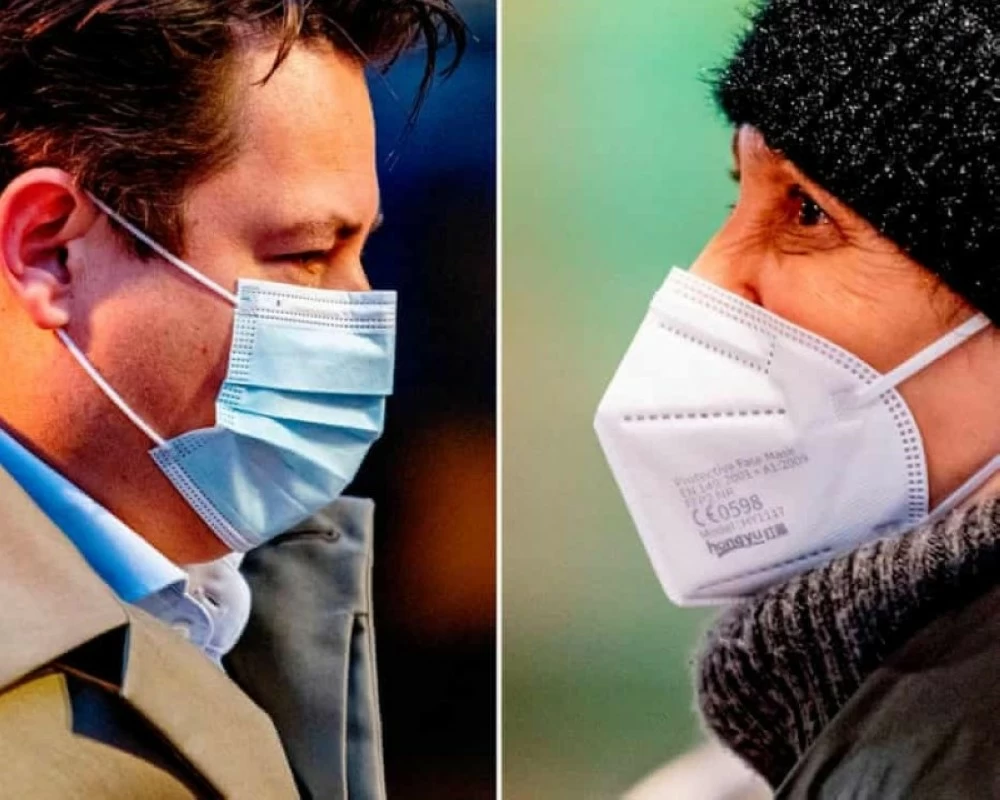
وجّه فريق من الأطباء والعلماء البريطانيين رسالة مفتوحة إلى المدير العام لمنظمة الصحة العالمية، الدكتور تيدروس أدهانوم غيبريسوس، طالبوا فيها بإجراء تعديل جذري لإرشادات الوقاية من العدوى. وأكدوا أن الكمامات الجراحية توفر حماية غير كافية ضد الأمراض التنفسية، بما في ذلك كوفيد-19، ويجب استبدالها بأقنعة تنفس عالية الفعالية في جميع التفاعلات وجهًا لوجه بين الأطباء والممرضين والمرضى.
الكمامات «عفا عليها الزمن»
وأشار الخبراء، وفق صحيفة “الغارديان”، إلى أنه «لا يوجد أي مبرر منطقي بعد الآن لتفضيل أو استخدام الكمامات الجراحية»، معتبرين استخدامها في المستشفيات والعيادات حول العالم غير كافٍ لحماية العاملين الصحيين والمرضى من مسببات الأمراض المنقولة جوًا.
أهمية أقنعة التنفس
ويرى الخبراء أن أقنعة التنفس المصممة لتصفية الجسيمات الدقيقة جدًا – مثل N95 في الولايات المتحدة أو FFP2/3 في أوروبا – يجب أن تصبح الممارسة القياسية في جميع التفاعلات الطبية، لما توفره من حماية تتراوح بين 80% و98% للجسيمات، مقارنة بـ40% فقط للكمامات الجراحية.
الفرق بين الكمامات وأقنعة التنفس
ووصف البروفيسور آدم فينكل من جامعة ميشيغان الكمامات الجراحية بأنها صُممت «لمنع الأطباء من العطس داخل أحشاء وقلوب المرضى أثناء الجراحة»، واعتبرها «عفا عليها الزمن» مقارنة بأقنعة التنفس الحديثة، مشبهًا الفرق بـ«السقوط من ارتفاع 10 سم بدلًا من متر ونصف».
تأييد واسع للرسالة
تأتي الرسالة نتيجة مناقشات في مؤتمر إلكتروني بعنوان “Unpolitics” العام الماضي، ووقّع عليها سبعة خبراء رئيسيين، وحصلت على تأييد نحو 50 خبيرًا بارزًا وأكثر من 2000 فرد من الجمهور، بينهم مرضى من الفئات الهشة صحيًا. ومن أبرز الموقعين البروفيسورة تريشا غرينهالغ من جامعة أكسفورد، والوبائي الأمريكي إريك فيغل-دينغ، والكاتب جورج مونبيوت.
مسارات استثنائية
تقترح الرسالة إمكانية استثناء استخدام أقنعة التنفس في حال انخفاض معدلات العدوى المجتمعية أو وجود تهوية ممتازة أو أجهزة ترشيح هواء في الغرفة، مع الإبقاء على توصيتها في الإعدادات الطبية الأكثر خطورة.
رد منظمة الصحة العالمية
وأكدت المنظمة أنها لا تستطيع فرض سياسات عالمية ملزمة، لكنها تراجع حاليًا إرشادات الوقاية من العدوى للأمراض التنفسية الحادة المعدية استنادًا إلى أحدث الأدلة العلمية، مع الأخذ بعين الاعتبار قدرة الدول الفقيرة على الحصول على أقنعة التنفس الفعّالة وتقليل الاعتماد على الكمامات الجراحية تدريجيًا.
A team of British doctors and scientists sent an open letter to the Director-General of the World Health Organization, Dr. Tedros Adhanom Ghebreyesus, calling for a radical revision of infection prevention guidelines. They emphasized that surgical masks provide insufficient protection against respiratory illnesses, including COVID-19, and should be replaced with high-efficiency respirators in all face-to-face interactions between doctors, nurses, and patients.
Masks are “outdated”
Experts noted, according to The Guardian, that “there is no longer any logical justification for preferring or using surgical masks,” considering their use in hospitals and clinics around the world inadequate to protect healthcare workers and patients from airborne pathogens.
The Importance of Respirators
Experts believe that respirators designed to filter very fine particles – such as N95 in the United States or FFP2/3 in Europe – should become the standard practice in all medical interactions, as they provide protection ranging from 80% to 98% for particles, compared to only 40% for surgical masks.
The Difference Between Masks and Respirators
Professor Adam Finkel from the University of Michigan described surgical masks as being designed “to prevent doctors from sneezing into the guts and hearts of patients during surgery,” and considered them “outdated” compared to modern respirators, likening the difference to “falling from a height of 10 cm instead of a meter and a half.”
Widespread Support for the Letter
The letter comes as a result of discussions at an online conference titled “Unpolitics” last year, and was signed by seven leading experts, gaining support from about 50 prominent experts and over 2000 members of the public, including patients from vulnerable health groups. Notable signatories include Professor Trisha Greenhalgh from the University of Oxford, American epidemiologist Eric Feigl-Ding, and writer George Monbiot.
Exceptional Pathways
The letter suggests the possibility of exempting the use of respirators in cases of low community infection rates or excellent ventilation or air filtration devices in the room, while maintaining its recommendation in higher-risk medical settings.
WHO’s Response
The organization confirmed that it cannot impose binding global policies, but is currently reviewing infection prevention guidelines for acute infectious respiratory diseases based on the latest scientific evidence, taking into account the ability of poorer countries to access effective respirators and gradually reduce reliance on surgical masks.