

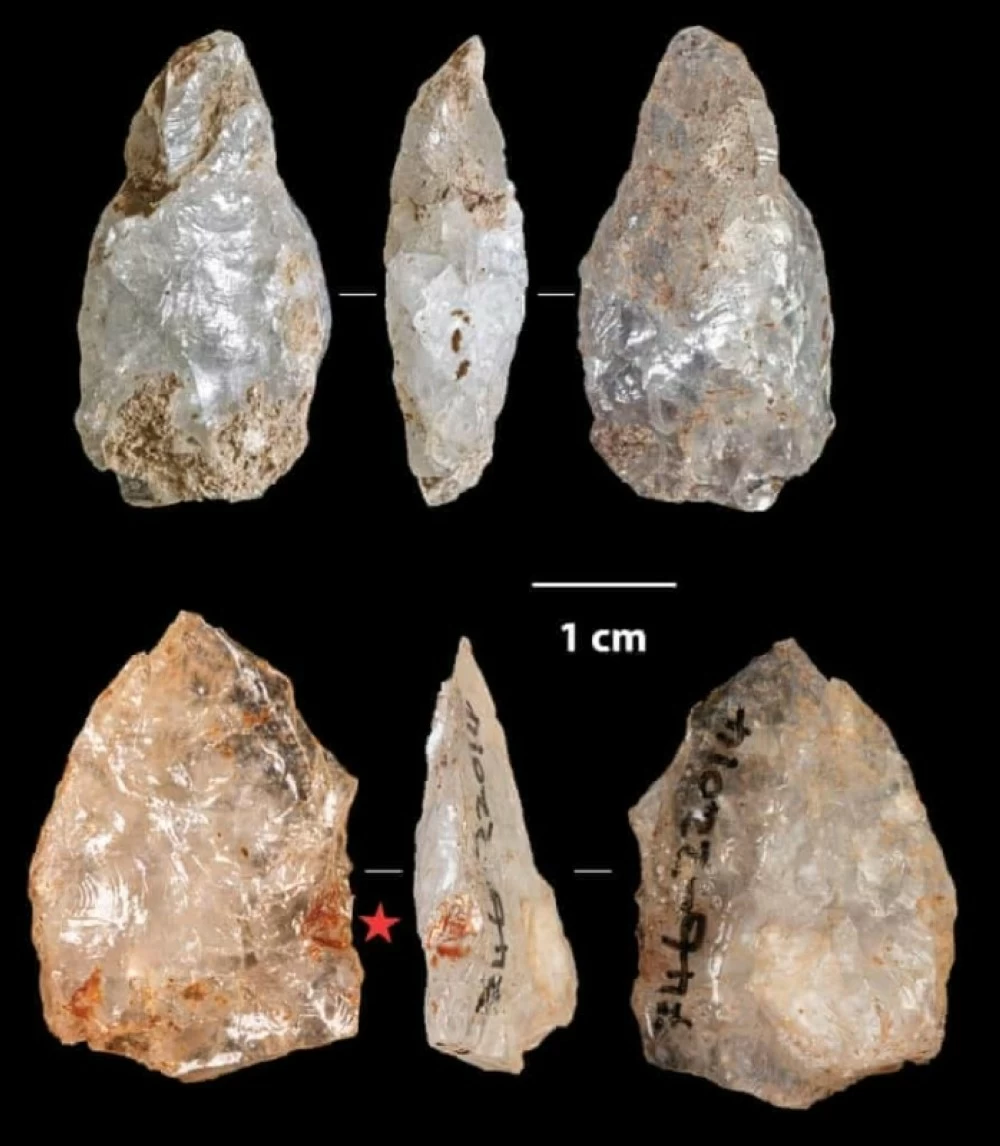
في اكتشاف أثري مهم نشر في مجلة «Science Advances» مطلع يناير 2026، كشف فريق دولي من الباحثين محرقةً جنائزيةً تعود إلى نحو 9,500 عام مضت، في ملجأ صخري عند سفح جبل هورا البارز في شمال مالاوي بوسط أفريقيا.
أقدم محرقة في التاريخ
ويُعتقد أن هذه المحرقة هي الأقدم عالمياً التي تحتوي على رفات بالغ، والأقدم المؤكد لحرق متعمد في أفريقيا، كما أنها الأولى المرتبطة بمجتمعات صيادي الطرائد الأفريقيين.
تفاصيل الكشف الأثري
واكتُشفت الرفات خلال حفريات أجريت بين عامي 2017 و2018، وتتكون من 170 شظية عظمية محترقة موزعة في مجموعتين، تعود لامرأة بالغة صغيرة القامة (أقل من 1.5 متر طولاً)، محاطة بطبقات سميكة من الرماد والفحم والرواسب.
ورغم عدم وضوح السبب وراء منح هذه المرأة معاملة خاصة، إلا أن الفريق لاحظ إشعال نار واحدة على الأقل فوق موقع المحرقة في وقت لاحق، ربما كفعل تذكاري أو احتفاء بالذكرى.
ومع ذلك، يحتوي الموقع – المعروف باسم هورا 1 – على أدلة على نيران معسكرات متعددة، مما يشير إلى استخدامه أيضاً في الحياة اليومية.
وقبل هذا الاكتشاف، كانت أقدم محرقة معروفة تحتوي على رفات بشرية في ألاسكا تعود إلى نحو 11,500 عام، لكنها كانت لطفل صغير، أما معظم الرفات المحترقة الأقدم من 8,000 عام، فلم تكن في محرقة منظمة، وكانت أقدم عمليات الحرق المتعمد المؤكدة في أفريقيا تعود إلى نحو 3,500 عام فقط، مرتبطة بشعوب الرعاة في العصر الحجري الحديث.
حياة صيادي الطرائد الأفريقيين
وأكدت جيسيكا تومبسون، الباحثة الرئيسية في جامعة ييل والمشرفة على المشروع بالتعاون مع إدارة المتاحف والآثار في مالاوي، أن منح أفراد معاملة مختلفة في الموت يشير إلى تعقيد أكبر في الأدوار الاجتماعية خلال الحياة، خلافاً للصورة النمطية عن صيادي الطرائد في المناطق الاستوائية كمجتمعات بسيطة.
ومن جانبه، رحب أستاذ الأنثروبولوجيا وعلم الآثار في جامعة ليفربول جون مورز البروفيسور جويل إيريش، (غير مشارك في الدراسة)، بهذا الاكتشاف قائلاً: «التاريخ المبكر جداً، مع كونهم مجتمعات متنقلة من صيادي الطرائد، يجعله أكثر إثارة للدهشة. يبدو أنهم كانوا يمتلكون معتقدات متقدمة وتعقيداً اجتماعياً عالياً في ذلك العصر البعيد».
ويُعد هذا الاكتشاف نافذة نادرة على سلوكيات البشر القدماء، إذ يبرز الجهد الجماعي الكبير المبذول في بناء المحرقة والطقوس المرتبطة بها، مما يعيد تشكيل فهمنا لتعقيد المجتمعات البشرية في العصور الحجرية.
In a significant archaeological discovery published in the journal “Science Advances” in early January 2026, an international team of researchers revealed a funerary pyre dating back approximately 9,500 years, located in a rock shelter at the base of the prominent Hora Mountain in northern Malawi, Central Africa.
The Oldest Pyre in History
This pyre is believed to be the oldest in the world containing the remains of an adult, and the earliest confirmed instance of deliberate cremation in Africa, as well as the first associated with African hunter-gatherer communities.

Details of the Archaeological Discovery
The remains were discovered during excavations conducted between 2017 and 2018, consisting of 170 burned bone fragments distributed in two groups, belonging to a small-statured adult woman (less than 1.5 meters tall), surrounded by thick layers of ash, charcoal, and sediment.
Although the reason for this woman’s special treatment is unclear, the team noted that at least one fire was lit above the pyre site later on, possibly as a memorial act or to celebrate an anniversary.
However, the site—known as Hora 1—contains evidence of multiple campfires, indicating it was also used for daily life.
Prior to this discovery, the oldest known pyre containing human remains was in Alaska, dating back about 11,500 years, but it was that of a small child. Most burned remains older than 8,000 years were not found in organized pyres, and the earliest confirmed instances of deliberate cremation in Africa date back only about 3,500 years, associated with pastoralist peoples in the Neolithic era.
The Life of African Hunter-Gatherers
Jessica Thompson, the lead researcher at Yale University and supervisor of the project in collaboration with the Malawi Museums and Monuments Authority, confirmed that the differential treatment of individuals in death indicates greater complexity in social roles during life, contrary to the stereotype of tropical hunter-gatherer societies as simple communities.
For his part, Professor Joel Eirich, an anthropology and archaeology professor at the University of Liverpool (not involved in the study), welcomed this discovery, stating: “The very early history, with them being mobile hunter-gatherer communities, makes it even more astonishing. They seem to have possessed advanced beliefs and high social complexity in that distant era.”
This discovery provides a rare window into the behaviors of ancient humans, highlighting the significant collective effort involved in constructing the pyre and the associated rituals, reshaping our understanding of the complexity of human societies in the Stone Age.