

في 26 مايو 2022، وبعد أيام من وصول قوات المجلس الانتقالي الجنوبي إلى محافظة شبوة والسيطرة عليها بقوة السلاح، خرج حسين العزي، منتحل صفة نائب وزير الخارجية في ما يسمى بحكومة صنعاء التابعة للحوثي، بتغريدة بدت لكثير من المتابعين حينها لغزًا محيرًا، قبل أن تتكشف دلالاتها لاحقًا بوصفها اعترافًا صريحًا بطبيعة العلاقة بين المشروعين.
كتب العزي مادحًا عيدروس الزبيدي ومشيدًا بحركته الانقلابية، قائلًا: «أبو قاسم مع كل أخطائه يبقى الديك الوحيد في مجلس كل ما فيه دجاج»، ولم يكتفِ بذلك، بل وصف الزبيدي بـ«ابن العم»، في رسالة محمّلة بإشارات سلالية وسياسية، أراد من خلالها التذكير بجذور الانتماء الفكري والعقائدي، وبالخيط الذي يربط الطرفين بالضاحية الجنوبية للعاصمة اللبنانية بيروت، حيث تشكّل الوعي الأول للمشروعين تحت إشراف حزب الله وداعميه.
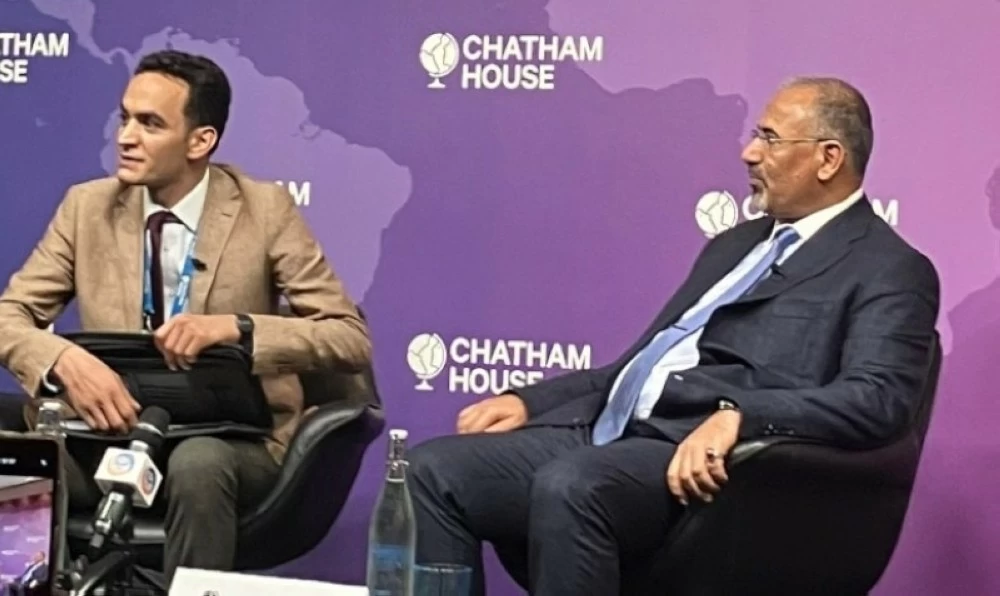
ولم يمض من الوقت الكثير حتى أرسل الزبيدي رسالة واضحة للحوثيين في يونيو 2023 من معهد تشاتام هاوس في بريطانيا، بأنكم الأحقّ بحكم شمال اليمن باعتباركم سلطة أمر واقع، ولم تعودوا انقلابين تسببتم بتدمير اليمن، وقتل قرابة نصف مليون، فلا تتراجعوا، لكم الشمال ولي الجنوب. هكذا فهم الجميع رسالته.
هذان الموقفان لم يكنا زلة لسان ولا مجاملة عابرة، بل لحظة انكشاف صريحة لما حاول الحوثي والانتقالي إخفاءه طويلًا. فالمشهد في جوهره ليس صراع أضداد، بل سباق محموم بين أداتين من أدوات الخراب على تدمير اليمن، يجمعهما تاريخ مشترك من الغدر والخيانة، وإن اختلفت اللافتات والشعارات.
تمرد الحوثي على الدولة في 2004 متدثرًا بغطاء المظلومية، مستثمرًا في الخطاب الديني والسلالي، ليبني مشروعًا انقلابيًا إقصائيًا. وبعده بثلاثة أعوام، ظهر الحراك الجنوبي في 2007 وتطور في 2017 إلى ما يُعرف اليوم بالمجلس الانتقالي، مستخدمًا الغطاء العنصري ذاته لكن بصيغة مختلفة، مظلومية مناطقية، وخطاب عاطفي، وهدف واحد لا يتغير: تفكيك الدولة وضرب مركزها القانوني.
الحوثي والمجلس الانتقالي بقائده المتمرد عيدروس الزبيدي نسختان من مشروع واحد، ووجهتان لعملة واحدة. كلاهما تلقى التدريب والتأهيل في المدرسة ذاتها، واستنسخ النموذج ذاته، وتحول بمرور الوقت إلى ذراع لقوى خارجية لا ترى في اليمن إلا ساحة نفوذ وصراع، لا وطنًا وشعبًا وتاريخًا.
في 2014، نكث الحوثي عهوده، وخان اتفاق السلم والشراكة، مستخدمًا إياه كغطاء لإسقاط الدولة والانقلاب على الشرعية، فاجتاح صنعاء، واقتحم مؤسساتها، وفتح أبواب الانتهاكات الجسيمة من قمع وإذلال واختطافات وتعذيب وقتل، حتى تحولت العاصمة إلى نموذج مكثف لدولة القمع والخراب.
وعلى النهج ذاته، سار المجلس الانتقالي. وقّع اتفاق الرياض في 2019، ثم سرعان ما خان العهد. تمرد وحوّل الاتفاق إلى أداة لتعطيل مؤسسات الدولة، وإعاقة معركة تحرير البلاد من قبضة الحوثي، قبل أن ينقلب على الدولة بشكل صريح في 2025، مكرسًا واقعًا جديدًا من الفوضى والانقسام.
ولم يكن غريبًا، في هذا السياق، أن يمتدح القيادي الحوثي حسين العزي جرائم «أبو القاسم» عيدروس الزبيدي التي أركبتها مليشياته في شبوة، وتمرده على الدولة، ويصفه بابن العم، ولا أن يشجع الزبيدي الحوثي على إحكام قبضته على الشمال، في تعبير فجّ من الجانبين، لكنه واضح عن وحدة المسار والمصلحة، مهما تباين الخطاب العلني للطرفين.
من صنعاء إلى عدن، انطلق الحوثي ليدمرها، وفي وقت لاحق أجهز الانتقالي بمشروعه الانتقالي على ما تبقى منها، ولم يكتف بذلك بل انطلق باتجاه المحافظات الشرقية، ومن عدن إلى حضرموت، تكررت الصورة ذاتها. في الأولى، حوثي يقتحم ويقمع ويقتل، وفي الثانية، انتقالي ينافسه في الانتهاكات الجسيمة، ويعيد إنتاج الخراب ذاته بأدوات مختلفة، ليصبح اليمن ساحة مفتوحة لتصفية الحسابات، لا دولة تحمي مواطنيها.
شرق عيدروس وغرب، ومنح إسرائيل وعدًا بالتطبيع المجاني، ثم ذهب بجحافله إلى حدود المملكة العربية السعودية وحدود دولة لتهديد أمنهما القومي، مدفوعًا بأجندة خارجية لا يمكن فصلها عن الأهداف الإسرائيلية لتدجين المنطقة وتحويلها إلى حدائق خلفية للدول التي ترى في نشر الفوضى مدخلا مناسبا لتحقيق مطامعها التوسعية على حساب الشعوب المقهورة، وإعادة ضبط خريطة المنطقة بما يمنحها السيطرة الكاملة على البحر الأحمر وأهم المضائق البحرية العالمية.
مُنح عيدروس الزبيدي فرصة تلو أخرى، لكنه اختار الحرب التي خسرها، بعد صدور قرار رئيس مجلس القيادة الرئاسي بطرد الإمارات من اليمن، وتدخل تحالف دعم الشرعية في اليمن بقيادة السعودية لدعم القوات الحكومية ممثلة بقوات الوطن التي تحركت مع أبناء حضرموت والمهرة لتحرير المحافظتين من مليشيا الانتقالي الغازية، وتم ذلك في أقل من أربعٍ وعشرين ساعة، وبعد حضرموت والمهرة أعلنت شبوة وأبين تأييدها للحكومة الشرعية اليمنية وترحيبها بقوات الوطن لتثبيت الأمن والاستقرار.
انكشف الزبيدي أمام نفسه وأمام أنصاره. فمنحته الحكومة اليمنية والمملكة العربية السعودية فرصة جديدة لحضور مؤتمر الحوار الجنوبي الذي سينعقد في الأيام القادمة بالعاصمة الرياض. توافدت جميع مكونات الجنوب السياسية إلى الرياض، بمن فيهم نواب عيدروس في المجلس الانتقالي وحلفاؤه، وعلى رأسهم عضو مجلس القيادة الرئاسي عبدالرحمن المحرمي، إلا عيدروس الزبيدي الذي شذّ عن الإجماع، وقرر التمرد ثم الفرار، بعد أن وزّع الأسلحة ورتّب لعمليات عسكرية هدفت إلى إقلاق الأمن والسكينة في عدن، وتوسيع المواجهات إلى محافظة الضالع، مسقط رأسه.
وعلى إثر ذلك التمرد، أصدر مجلس القيادة الرئاسي قرارًا بفصله من المجلس، وإحالته إلى النيابة العامة بتهمة الخيانة الوطنية. قد يكون الآن مختبئًا في بدروم أو في شاحنة بضائع، وربما فر عبر البحر عبر زورق، كما يسميه عامة الصيادين «صنبوق»، ولا يستبعد أيضًا أن يكون مختبئا في كهف في أحد جبال الضالع. كل شيء وراد، لكن الثابت الوحيد في الأمر أنه وضع نفسه بمكانة واحدة مع ابن عمه عبدالملك الحوثي، كلاهما في مخبئ بعيد عن أعين حتى أهلهما، وهذه نتيجة حتمية لكل خائن.
إلى أين هرب الزبيدي؟ سؤال يبحث اليمنيون عن إجابته، كما يبحثون عن عيدروس ذاته؛ عيدروس الهارب المثقل بجنون العظمة، والمغامر بحياة آلاف المواطنين لأجل طموح شخصي وتنفيذ أجندة خارجية، وهل لجأ من الضالع إلى الحوثيين؟
لقد حانت لحظة التحرير، تحرير اليمن من جماعة الحوثي، ومثلما يعاني المواطن في مناطق سيطرة الحوثي شمال اليمن، كفى المواطن في جنوب اليمن ما عاشه من مآسٍ، فهو المتضرر الأكبر من الحرب التي شنّتها عليه جماعة الحوثي، ثم جاء سلاح الانتقالي ليُكمل المشهد، فسُحق المواطن بين سلاحين، وخُدع بشعارين غلّفهما الحوثي والانتقالي بالمظلومية الدينية والمناطقية.
وحده المواطن اليمني، شمالا وجنوبا وشرقا وغربا، من يدفع ثمن صراع لا يستهدف سوى تدمير اليمن، وتمزيق نسيجه، وإفراغه من معناه، لصالح قوى خارجية. أما المستفيد الحقيقي، فليس سوى تلك القوى ذاتها، التي وجدت في الحوثي غايتها، وتلك التي صنعت من الانتقالي ذراعًا لتحقيق مطامعها. أداتان مثاليتان لإبقاء اليمن ضعيفًا، ممزقًا، بلا سيادة ولا دولة، وطنًا معلّقًا في مهب الخراب الدائم، ومصدِّرًا للفوضى إلى محيطه.
الآن باتت الأمور واضحة، واليمن تبدو اليوم أكثر تماسكًا، وأكثر قربًا من تحرير كامل ترابها بعد توحيد كافة الفصائل العسكرية تحت راية الدولة ممثلة بالقائد الأعلى للقوات المسلحة وغرفة عمليات واحدة، تمهيدًا لمعركتها الأخيرة مع الحوثي، وتطهير ما تبقى من محافظات الشمال تحت سيطرتها، فلا عدو لنا إلا الحوثي وجماعته.
ـــــ
صحفي يمني
On May 26, 2022, just days after the Southern Transitional Council forces arrived in Shabwa Governorate and took control by force, Hussein al-Azi, who impersonated the Deputy Foreign Minister in what is called the Sana’a government affiliated with the Houthis, tweeted something that seemed to many followers at the time to be a puzzling riddle, before its implications later unfolded as a clear acknowledgment of the nature of the relationship between the two projects.
Al-Azi praised Aidarus al-Zoubaidi and lauded his coup movement, saying: “Abu Qasim, with all his mistakes, remains the only rooster in a council full of hens.” He did not stop there; he referred to al-Zoubaidi as “the cousin,” in a message laden with tribal and political signals, through which he wanted to remind of the roots of ideological and doctrinal affiliation, and the thread that connects the two parties to the southern suburbs of the Lebanese capital Beirut, where the initial consciousness of the two projects was formed under the supervision of Hezbollah and its supporters.
It wasn’t long before al-Zoubaidi sent a clear message to the Houthis in June 2023 from Chatham House in Britain, stating that they were more deserving of ruling northern Yemen as a de facto authority, and that they were no longer coup leaders who had caused the destruction of Yemen and killed nearly half a million people, so they should not retreat; the north is yours and the south is for us. This is how everyone understood his message.
These two positions were not slips of the tongue or passing compliments, but rather a moment of explicit revelation of what the Houthis and the Transitional Council had long tried to conceal. The scene, at its core, is not a struggle of opposites, but a frantic race between two tools of destruction aimed at demolishing Yemen, united by a shared history of treachery and betrayal, even if the banners and slogans differ.
The Houthi rebellion against the state in 2004 was cloaked in the guise of victimhood, capitalizing on religious and tribal rhetoric to build an exclusionary coup project. Three years later, the Southern Movement emerged in 2007 and evolved in 2017 into what is known today as the Transitional Council, using the same racial cover but in a different form, regional victimhood, emotional rhetoric, and an unchanging goal: dismantling the state and undermining its legal center.
The Houthis and the Transitional Council, led by the rebellious Aidarus al-Zoubaidi, are two versions of the same project, and two sides of the same coin. Both received training and preparation in the same school, replicated the same model, and over time transformed into a tool for external powers that see Yemen only as a battleground for influence and conflict, not as a homeland, people, and history.
In 2014, the Houthis broke their promises and betrayed the Peace and Partnership Agreement, using it as a cover to overthrow the state and stage a coup against legitimacy, invading Sana’a, storming its institutions, and opening the doors to severe violations of repression, humiliation, abduction, torture, and killing, until the capital became an intensified model of a state of oppression and destruction.
Following the same path, the Transitional Council signed the Riyadh Agreement in 2019, only to quickly betray it. They rebelled and turned the agreement into a tool to disrupt state institutions and hinder the battle to liberate the country from Houthi control, before explicitly turning against the state in 2025, establishing a new reality of chaos and division.
In this context, it was not surprising that Houthi leader Hussein al-Azi praised the crimes of “Abu Qasim” Aidarus al-Zoubaidi committed by his militias in Shabwa, and his rebellion against the state, referring to him as a cousin, nor that al-Zoubaidi encouraged the Houthis to tighten their grip on the north, in a blatant expression from both sides, but one that clearly indicates a unity of path and interest, no matter how different the public rhetoric of the two parties may be.
From Sana’a to Aden, the Houthis set out to destroy it, and later the Transitional Council, with its transitional project, finished off what remained of it, and did not stop there but moved towards the eastern governorates, and from Aden to Hadramout, the same scene was repeated. In the first, a Houthi invades, represses, and kills, and in the second, a Transitional member competes with him in severe violations, reproducing the same destruction with different tools, making Yemen an open arena for settling scores, with no state to protect its citizens.
East of Aidarus and West, he promised Israel free normalization, then marched with his forces to the borders of the Kingdom of Saudi Arabia and the borders of a state to threaten their national security, driven by an external agenda that cannot be separated from Israeli objectives to tame the region and turn it into backyards for countries that see in spreading chaos a suitable entry point to achieve their expansionist ambitions at the expense of oppressed peoples, and to reconfigure the map of the region in a way that grants them complete control over the Red Sea and the most important maritime straits in the world.
Aidarus al-Zoubaidi was given opportunity after opportunity, but he chose war, which he lost, after the issuance of a decision by the President of the Presidential Leadership Council to expel the UAE from Yemen, and the intervention of the Saudi-led Coalition to Support Legitimacy in Yemen to support the government forces represented by the National Forces, which moved with the people of Hadramout and Al-Mahrah to liberate the two governorates from the invading Transitional militia, and this was accomplished in less than twenty-four hours. After Hadramout and Al-Mahrah, Shabwa and Abyan announced their support for the Yemeni legitimate government and welcomed the National Forces to establish security and stability.
Al-Zoubaidi was exposed before himself and his supporters. The Yemeni government and the Kingdom of Saudi Arabia granted him a new opportunity to attend the Southern Dialogue Conference, which will be held in the coming days in the capital Riyadh. All political components of the south flocked to Riyadh, including al-Zoubaidi’s deputies in the Transitional Council and his allies, led by member of the Presidential Leadership Council Abdulrahman al-Mahrimi, except for Aidarus al-Zoubaidi, who deviated from the consensus and decided to rebel and then flee, after distributing weapons and arranging military operations aimed at disturbing security and tranquility in Aden, and expanding confrontations to Al-Dhale’e Governorate, his birthplace.
As a result of that rebellion, the Presidential Leadership Council issued a decision to expel him from the council and refer him to the Public Prosecution on charges of national treason. He may now be hiding in a basement or in a cargo truck, or perhaps he fled across the sea in a boat, as the common fishermen call it “Sambuq,” and it is also not ruled out that he is hiding in a cave in one of the mountains of Al-Dhale’e. Anything is possible, but the only constant in the matter is that he has placed himself in the same position as his cousin Abdul-Malik al-Houthi, both hiding far from the eyes of even their own families, and this is the inevitable result for every traitor.
Where did al-Zoubaidi flee? A question Yemenis are seeking an answer to, just as they are looking for Aidarus himself; the fleeing Aidarus burdened by delusions of grandeur, risking the lives of thousands of citizens for personal ambition and the implementation of an external agenda, and did he seek refuge with the Houthis from Al-Dhale’e?
The moment of liberation has come, liberating Yemen from the Houthi group. Just as the citizen suffers in areas under Houthi control in northern Yemen, the citizen in southern Yemen has had enough of the tragedies he has lived through, as he is the biggest victim of the war waged against him by the Houthi group, and then the Transitional weapon came to complete the scene, crushing the citizen between two weapons, and deceiving him with two slogans wrapped in religious and regional victimhood by the Houthis and the Transitional.
Only the Yemeni citizen, north and south, east and west, pays the price of a conflict that targets nothing but the destruction of Yemen, tearing apart its fabric, and draining it of its meaning, for the benefit of external powers. As for the real beneficiaries, they are none other than those same powers, which found in the Houthis their goal, and those who made the Transitional Council an arm to achieve their ambitions. Two ideal tools to keep Yemen weak, torn apart, without sovereignty or state, a homeland suspended in the winds of perpetual destruction, and exporting chaos to its surroundings.
Now things have become clear, and Yemen seems today more cohesive, and closer to the complete liberation of its territory after unifying all military factions under the banner of the state represented by the Supreme Commander of the Armed Forces and a single operations room, paving the way for its final battle with the Houthis, and cleansing what remains of the northern governorates under their control, for we have no enemy but the Houthis and their group.
——
A Yemeni journalist