

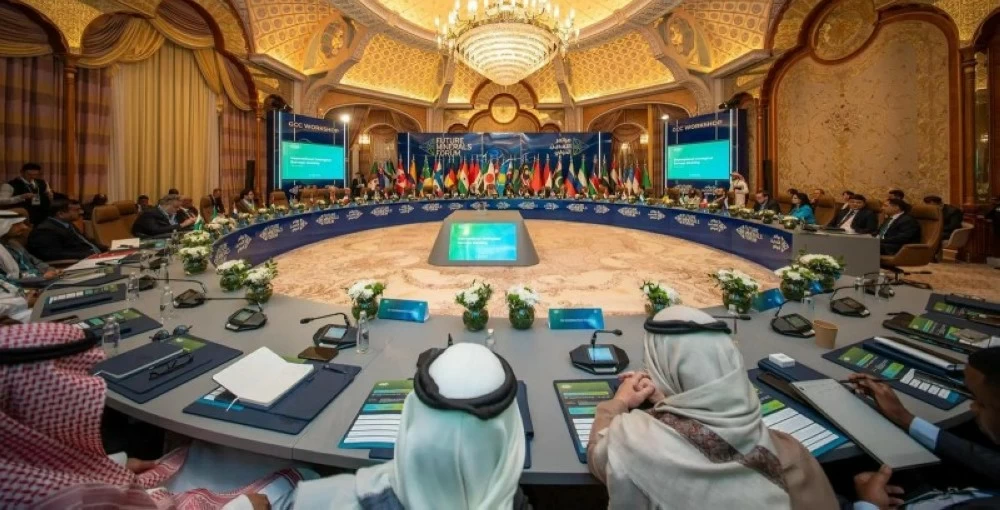
استضافت العاصمة الرياض أعمال الاجتماع الدولي الثالث لقادة هيئات المسح الجيولوجي (IGSM)، الذي عُقد برئاسة نائب وزير الصناعة والثروة المعدنية لشؤون التعدين، المهندس خالد بن صالح المديفر، وبحضور الرئيس التنفيذي لهيئة المساحة الجيولوجية السعودية المهندس عبدالله الشمراني، ضمن فعاليات النسخة الخامسة من مؤتمر التعدين الدولي، وشهد الاجتماع حضوراً قياسياً هو الأكبر منذ انطلاقته، بمشاركة نخبة من قادة هيئات المسح الجيولوجي من مختلف دول العالم.
وافتتح المديفر الاجتماع بكلمة أكّد فيها، أن قطاع التعدين العالمي يعتمد بشكل جوهري على توفر بيانات جيولوجية موثوقة وسهلة الوصول، عاداً هذه البيانات الممكّن الأهم لتسريع الاكتشافات وجذب رؤوس الأموال.
وأوضح أن الهدف الرئيسي لهذا الاجتماع هو إيجاد حلول عملية لجمع البيانات وإتاحتها رقمياً ليس فقط للجيولوجيين، بل أيضاً لتمكين تقنيات الذكاء الاصطناعي من تحليلها، مشدداً على ضرورة معالجة «الغموض الجيولوجي» ونقص الكفاءات باعتبارهما من أكبر عوائق الاستثمار.
محاور رئيسية
وتناول جدول أعمال الاجتماع، محاور رئيسية من بينها بناء القدرات في المسح الجيولوجي، وتم استعراض مبادرتين نوعيتين، هما مبادرة إطار الكفاءات الجيولوجية العالمية المشتركة (CGGCF) لتوحيد معايير المهارات، وبرنامج الجيولوجيا بلا حدود (Geoscience without Borders) الذي يهدف لتبادل الخبراء وسد الفجوات المهارية في المنطقة الكبرى الممتدة من أفريقيا إلى غرب ووسط آسيا وأمريكا اللاتينية.
وناقشت الجلسة الثانية محور «البيانات»، بمشاركة خبراء من شركة «بي إتش بي» (BHP) وهيئة المساحة الجيولوجية السعودية، وتم بحث سبل تطوير منصات بيانات جيولوجية رقمية تكون ميسورة التكلفة ومتاحة لجميع الدول الموردة، بما يخدم نماذج التعدين الحديثة، فيما خُصصت الجلسة الثالثة لمناقشة دور «مراكز التميز الجيولوجي» في إنشاء مساحات تعاونية عالمية تدعم استهداف عمليات الاستكشاف بدقة أعلى.
واختُتم الاجتماع بالاتفاق على حزمة من المبادرات التنفيذية، شملت اعتماد إطار العمل العالمي للكفاءات، وإطلاق برنامج تبادل المهارات، وتكثيف الاستثمار في الذكاء الاصطناعي لسد فجوات البيانات، مع التأكيد على ضرورة تحويل النقاشات التي شهدها الاجتماع إلى خطوات عملية ملموسة عبر مجموعات عمل متخصصة، لتقديم نتائجها في اجتماع 2027.
يذكر أن جلسات النسخة الخامسة لمؤتمر التعدين الدولي ستنطلق غداً بمشاركة أكثر من 20 ألف مشارك ونحو 400 متحدث من الوزراء والقيادات والخبراء والمتخصصين وممثلي الجهات الأكاديمية ومؤسسات التمويل.
ويتضمن برنامج المؤتمر، سلسلة من الفعاليات، تشمل «رحلة الاستثمار التعديني» و«بوابة التمويل» بالشراكة مع بنك مونتريال (BMO)، وورش عمل (MinGen) الموجهة للشباب والنساء في قطاع التعدين، ومنصة (MinValley) للابتكار والتقنية، ومنصة تبادل المعرفة التي تجمع نخبة من الخبراء لمشاركة أحدث التطورات في مجالات الجيولوجيا والتقنية والاستدامة وتطوير الكفاءات.
The capital city of Riyadh hosted the third international meeting of leaders of geological survey agencies (IGSM), chaired by the Deputy Minister of Industry and Mineral Resources for Mining Affairs, Engineer Khalid bin Saleh Al-Mudaifer, and attended by the CEO of the Saudi Geological Survey, Engineer Abdullah Al-Shamrani, as part of the fifth edition of the International Mining Conference. The meeting witnessed a record attendance, the largest since its inception, with participation from a select group of leaders of geological survey agencies from various countries around the world.
Al-Mudaifer opened the meeting with a speech in which he emphasized that the global mining sector fundamentally relies on the availability of reliable and easily accessible geological data, considering this data to be the most important enabler for accelerating discoveries and attracting investments.
He clarified that the main objective of this meeting is to find practical solutions for collecting data and making it available digitally not only for geologists but also to enable artificial intelligence technologies to analyze it, stressing the need to address “geological ambiguity” and the lack of competencies as two of the biggest obstacles to investment.
Main Themes
The agenda of the meeting addressed key themes, including capacity building in geological surveying. Two qualitative initiatives were presented: the Common Global Geological Competency Framework (CGGCF) to unify skill standards, and the Geoscience without Borders program aimed at exchanging experts and bridging skill gaps in the broader region extending from Africa to Western and Central Asia and Latin America.
The second session discussed the theme of “data,” with participation from experts from BHP and the Saudi Geological Survey. They explored ways to develop affordable digital geological data platforms that are accessible to all supplying countries, serving modern mining models, while the third session was dedicated to discussing the role of “geological centers of excellence” in creating global collaborative spaces that support more precise exploration operations.
The meeting concluded with an agreement on a package of executive initiatives, including the adoption of a global competency framework, the launch of a skills exchange program, and intensifying investment in artificial intelligence to bridge data gaps, with an emphasis on the need to translate the discussions held during the meeting into tangible practical steps through specialized working groups, to present their results at the 2027 meeting.
It is worth noting that the sessions of the fifth edition of the International Mining Conference will kick off tomorrow with the participation of more than 20,000 attendees and about 400 speakers from ministers, leaders, experts, specialists, representatives of academic institutions, and funding organizations.
The conference program includes a series of events, including the “Mining Investment Journey” and the “Financing Gateway” in partnership with the Bank of Montreal (BMO), workshops (MinGen) aimed at youth and women in the mining sector, the (MinValley) platform for innovation and technology, and a knowledge exchange platform that brings together a select group of experts to share the latest developments in the fields of geology, technology, sustainability, and competency development.