

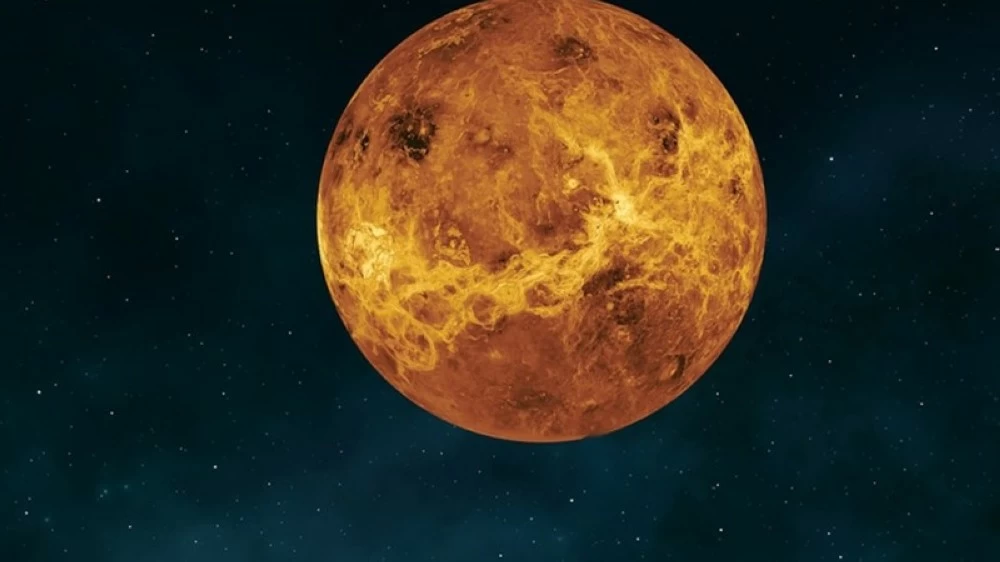
أعلن فريق من العلماء في جامعة ترينتو الإيطالية اكتشاف أول دليل قاطع على وجود أنبوب حمم بركاني فارغ وضخم تحت سطح كوكب الزهرة، في منطقة نيكس مونس، التي تحمل اسم آلهة الليل في الأساطير اليونانية.
وبحسب الدراسة المنشورة في مجلة Nature Communications، يبلغ قطر هذا الأنبوب البركاني نحو كيلومتر واحد (1000 متر)، بينما يصل سمك السقف الصخري فوقه إلى 150 متراً على الأقل.
ووفقاً للدراسة الإيطالية، يمتد الفراغ الداخلي الفارغ إلى عمق لا يقل عن 375 متراً، ويمتد الهيكل الجوفي لمسافة 300 متر على الأقل من فتحة السقف السطحية التي تكشف عنه.
تم التوصل إلى هذا الاكتشاف من خلال إعادة تحليل دقيق لصور الرادار الاصطناعي التي التقطتها مركبة ماجلان التابعة لناسا بين عامي 1990 و1992، باستخدام تقنية تصوير متطورة طورها الباحثون أنفسهم للكشف عن التجاويف الجوفية القريبة من فتحات السقف البركانية.
من جانبه، قال البروفيسور لورينزو بروتزوني، قائد الفريق رئيس مختبر الاستشعار عن بعد في جامعة ترينتو: «لقد كشفت تحليلاتنا وجود قناة جوفية كبيرة ومفتوحة في منطقة نيكس مونس».
وأضاف: «نعتقد أنها أنبوب حمم بركاني، بقطر يقارب كيلومتر واحد، وسقف سمكه لا يقل عن 150 متراً، وفراغ داخلي بعمق لا يقل عن 375 متراً، هذا أول دليل مباشر على وجود مثل هذه الهياكل على كوكب الزهرة».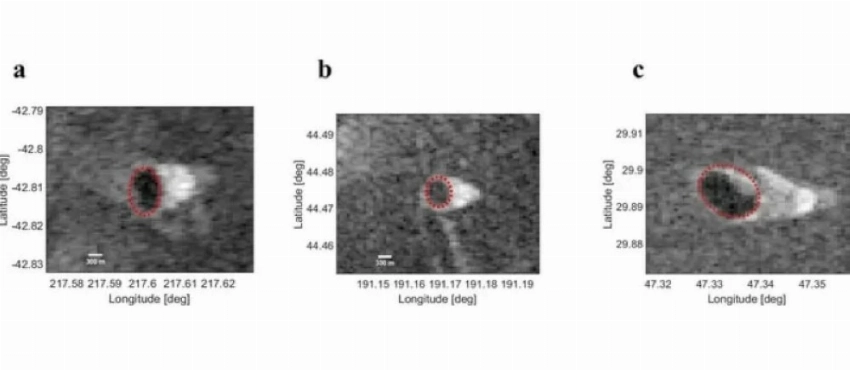
وتعد أنفاق الحمم البركانية طبيعية تتشكل عندما تتدفق الحمم البركانية الساخنة ثم تبرد وتتصلب من الخارج، بينما تستمر الحمم السائلة في التدفق داخلها، فتترك تجويفاً فارغاً بعد انتهاء النشاط البركاني، وتوجد هذه الأنابيب على الأرض مثل كهوف هزال في هاواي وكهوف كازومورا في اليابان، وعلى القمر، ويُعتقد أنها موجودة على المريخ.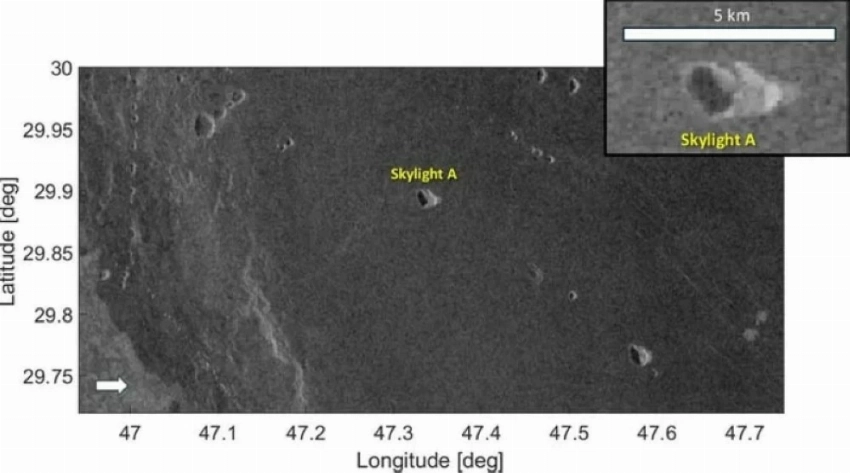
ويُعد كوكب الزهرة أكثر الكواكب نشاطاً بركانياً في النظام الشمسي، إذ تغطي البراكين والحمم المتجمدة نحو 80% من سطحه. ومع ذلك، فإن الغلاف الجوي الكثيف جداً ضغط 92 ضعف الضغط الأرضي، والحرارة القاسية نحو 460 درجة مئوية تجعل الدراسة المباشرة صعبة للغاية.
A team of scientists at the Italian University of Trento has announced the discovery of the first conclusive evidence of a massive empty volcanic lava tube beneath the surface of Venus, in the region of Nix Mons, named after the goddess of night in Greek mythology.
According to the study published in the journal Nature Communications, the diameter of this volcanic tube is about one kilometer (1000 meters), while the thickness of the rocky ceiling above it is at least 150 meters.
According to the Italian study, the empty internal cavity extends to a depth of at least 375 meters, and the underground structure extends at least 300 meters from the surface opening that reveals it.
This discovery was reached through a meticulous re-analysis of synthetic radar images captured by NASA’s Magellan spacecraft between 1990 and 1992, using advanced imaging technology developed by the researchers themselves to detect subsurface cavities near volcanic roof openings.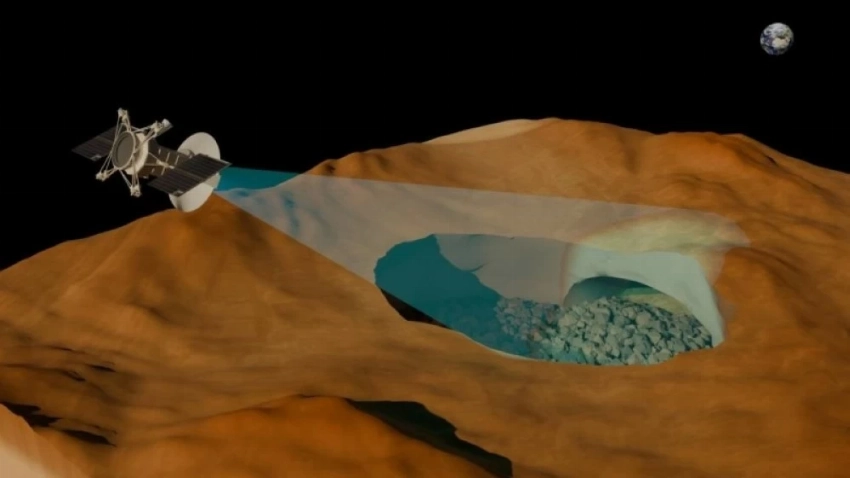
For his part, Professor Lorenzo Brottoni, the team leader and head of the Remote Sensing Laboratory at the University of Trento, said: “Our analyses have revealed the existence of a large, open subterranean channel in the Nix Mons region.”
He added: “We believe it is a volcanic lava tube, with a diameter of about one kilometer, a ceiling thickness of no less than 150 meters, and an internal cavity depth of at least 375 meters. This is the first direct evidence of such structures on Venus.”
Volcanic lava tubes are natural formations that occur when hot lava flows and then cools and solidifies from the outside while liquid lava continues to flow inside, leaving an empty cavity after volcanic activity ceases. These tubes exist on Earth, such as the lava tubes in Hawaii and the Kazumura Caves in Japan, and on the Moon, and they are believed to exist on Mars as well.
Venus is considered the most volcanically active planet in the solar system, with volcanoes and frozen lava covering about 80% of its surface. However, its extremely dense atmosphere, which exerts 92 times the pressure of Earth, and the harsh heat of about 460 degrees Celsius make direct study extremely difficult.