


كشفت دراسة علمية جديدة أن التعرّض للعفن السام في مرحلة الطفولة قد يخلّف آثاراً طويلة الأمد على صحة الرئتين، تمتد حتى سنوات المراهقة وما بعدها.
ووجد فريق بحثي من جامعة بريستول أن الأطفال الذين تعرضوا للعفن داخل المنازل سجلوا انخفاضاً ملحوظاً في وظائف الرئة خلال مرحلة المراهقة.
وجاءت هذه النتائج ضمن مشروع بحثي طويل الأمد يُعرف باسم «أطفال التسعينيات»، تابع المشاركين على مدى نحو ثلاثة عقود.
وأظهرت البيانات أن المشاركين الذين تعرضوا للعفن في سن 15 عاماً، عانوا بعد 10 سنوات من تراجع بنسبة 5% في كفاءة وظائف الرئة مقارنة بغيرهم.
ويُعرف السكن في منازل رطبة أو ملوثة بالعفن بتسببه في مجموعة واسعة من المشكلات الصحية، من بينها التهابات الجهاز التنفسي مثل داء الرشاشيات (Aspergillus)، والربو، والحساسية.
ويعمل العفن – وهو فطر مجهري – على إطلاق آلاف الجزيئات السامة الدقيقة في الهواء، ما يجعل استنشاقه خطراً مستمراً على الصحة.
أعراض وعلامات التحذير
وتشمل أبرز العلامات التي قد تشير إلى التأثر بالعفن المنزلي: سعالاً مستمراً، أزيزاً في الصدر، ضيقاً في التنفس، تفاقم الربو أو أمراض الجهاز التنفسي، التهابات في المجاري الهوائية.
وقالت الدكتورة راكيل غرانيل، المشاركة في إعداد الدراسة، إن هناك خطوات عملية يمكن اتخاذها للحد من خطر انتشار العفن داخل المنازل، أبرزها التهوية الجيدة وفتح النوافذ، خصوصاً في المطابخ والحمامات، وتجنب تجفيف الملابس داخل المنزل قدر الإمكان. وأوصت باستخدام أجهزة إزالة الرطوبة عند الضرورة.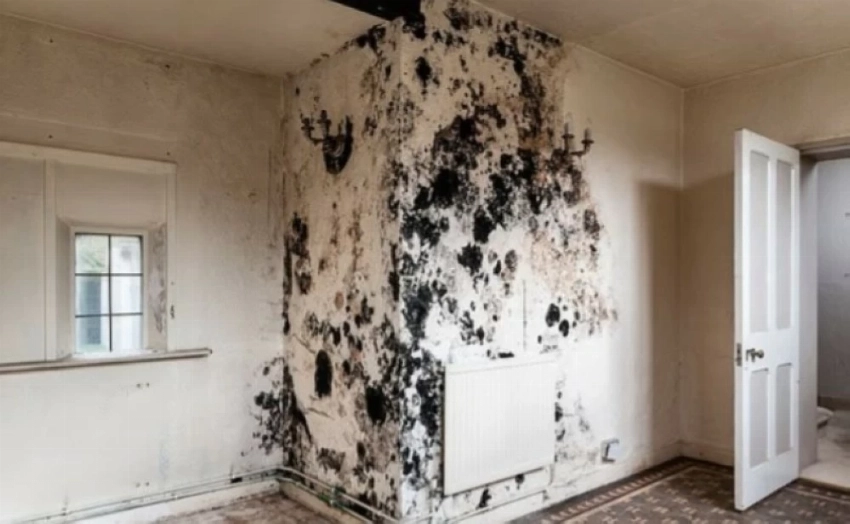
أماكن خفية لنمو العفن
وحذّر الخبراء من أن العفن لا يقتصر على الجدران فقط، بل قد ينمو داخل الأجهزة المنزلية مثل غسالات الصحون، والثلاجات، وأجهزة الميكروويف بسبب الرطوبة المستمرة، كما يمكن أن يظهر خلف الأحواض، وتحت الأرضيات، وفي الأقبية والأسقف العلوية سيئة التهوية.
وأوضح مختصون أن العفن قد يبدأ في النمو خلال يوم إلى يومين فقط في البيئات الرطبة، بينما قد تستغرق الروائح أو البقع الظاهرة أسابيع أو حتى أشهراً للظهور.
أنواع أكثر خطورة
وتُعد بعض أنواع العفن أكثر خطورة من غيرها، وعلى رأسها العفن الأسود، الذي ينتج مواد كيميائية سامة تُعرف باسم السموم الفطرية (Mycotoxins)، وقد يؤدي التعرض المتكرر لها إلى أعراض خطيرة مثل: اضطرابات معرفية وتغيرات مزاجية، صداع وآلام عضلية، أعراض تشبه الربو، ضعف في الجهاز المناعي.
ويشرح الخبراء أن استنشاق هذه السموم يحفّز الجهاز المناعي لإطلاق مواد التهابية قوية تُعرف باسم السيتوكينات، والتي قد تنتقل عبر الدم لتؤثر في أجهزة حيوية غدة، بما في ذلك الدماغ والجهاز العصبي.
أرقام مقلقة
ووفقاً لبيانات حكومية بريطانية، تم ربط نحو 5,000 حالة ربو و8,500 إصابة بالتهابات تنفسية سفلية في إنجلترا عام 2019 بالرطوبة والعفن داخل المنازل، كما يُعتقد أن ما بين 1 و2% من حالات حمى القش الجديدة سنوياً تعود إلى هذه العوامل.
وقال أستاذ طب الجهاز التنفسي في كلية بريستول الطبية البروفيسور جيمس دود: إن التعرض للعفن يؤثر بشكل رئيسي على الرئتين من خلال استنشاق الأبواغ الفطرية التي تثير استجابة تحسسية والتهابية، مؤكداً أن الأطفال ومرضى الربو وأمراض الرئة المزمنة هم الأكثر عرضة للمضاعفات.
وأضاف أن الرطوبة والعفن يمثلان سبباً يمكن الوقاية منه لأمراض الجهاز التنفسي، وأن تجاهل ظروف السكن السيئة يؤدي إلى تفاقم الفوارق الصحية وزيادة الضغط على أنظمة الرعاية الصحية.
A new scientific study has revealed that exposure to toxic mold during childhood may leave long-term effects on lung health, extending into adolescence and beyond.
A research team from the University of Bristol found that children exposed to mold inside homes recorded a significant decline in lung function during adolescence.
These findings came as part of a long-term research project known as “The Children of the 90s,” which tracked participants over nearly three decades.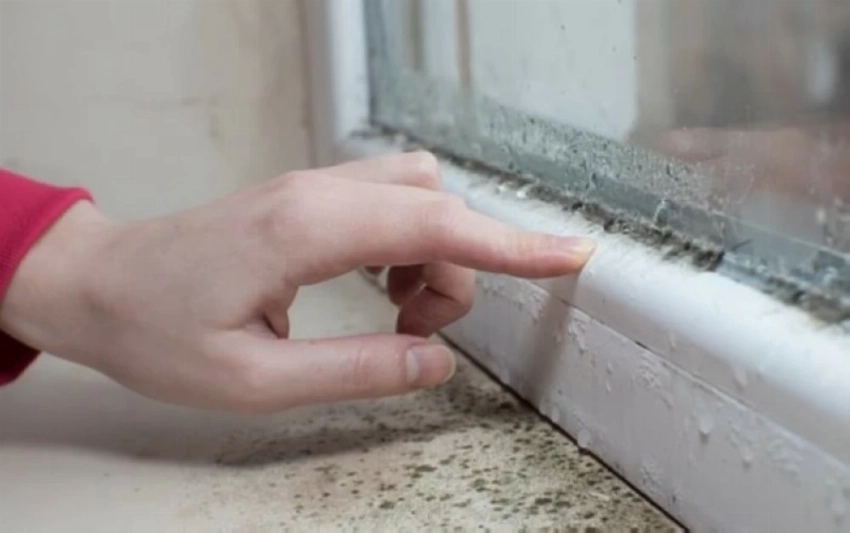
Data showed that participants who were exposed to mold at the age of 15 experienced a 5% decline in lung function efficiency after 10 years compared to others.
Living in damp or moldy homes is known to cause a wide range of health problems, including respiratory infections such as aspergillosis, asthma, and allergies.
Mold – a microscopic fungus – releases thousands of tiny toxic particles into the air, making inhalation a continuous health risk.
Symptoms and Warning Signs
Key signs that may indicate exposure to household mold include: a persistent cough, wheezing in the chest, shortness of breath, worsening asthma or respiratory diseases, and airway infections.
Dr. Raquel Granell, a co-author of the study, stated that there are practical steps that can be taken to reduce the risk of mold growth inside homes, the most important of which are good ventilation and opening windows, especially in kitchens and bathrooms, and avoiding drying clothes indoors as much as possible. She recommended using dehumidifiers when necessary.
Hidden Places for Mold Growth
Experts warned that mold is not limited to walls only; it can also grow inside household appliances such as dishwashers, refrigerators, and microwaves due to persistent moisture. It can also appear behind sinks, under floors, and in poorly ventilated attics and basements.
Specialists explained that mold can begin to grow within just one to two days in damp environments, while odors or visible stains may take weeks or even months to appear.
More Dangerous Types
Some types of mold are more dangerous than others, with black mold being the most notable, as it produces toxic chemicals known as mycotoxins. Repeated exposure to these can lead to serious symptoms such as cognitive disorders and mood changes, headaches and muscle pain, asthma-like symptoms, and weakened immune systems.
Experts explain that inhaling these toxins stimulates the immune system to release powerful inflammatory substances known as cytokines, which can travel through the blood to affect vital systems, including the brain and nervous system.
Worrying Figures
According to British government data, around 5,000 cases of asthma and 8,500 cases of lower respiratory infections in England in 2019 were linked to dampness and mold within homes. It is also believed that between 1% and 2% of new hay fever cases each year are attributed to these factors.
Professor James Dodd, a respiratory medicine professor at Bristol Medical School, stated that exposure to mold primarily affects the lungs through inhalation of fungal spores that trigger an allergic and inflammatory response, emphasizing that children, asthma patients, and those with chronic lung diseases are the most vulnerable to complications.
He added that moisture and mold represent a preventable cause of respiratory diseases, and ignoring poor housing conditions exacerbates health disparities and increases pressure on healthcare systems.