

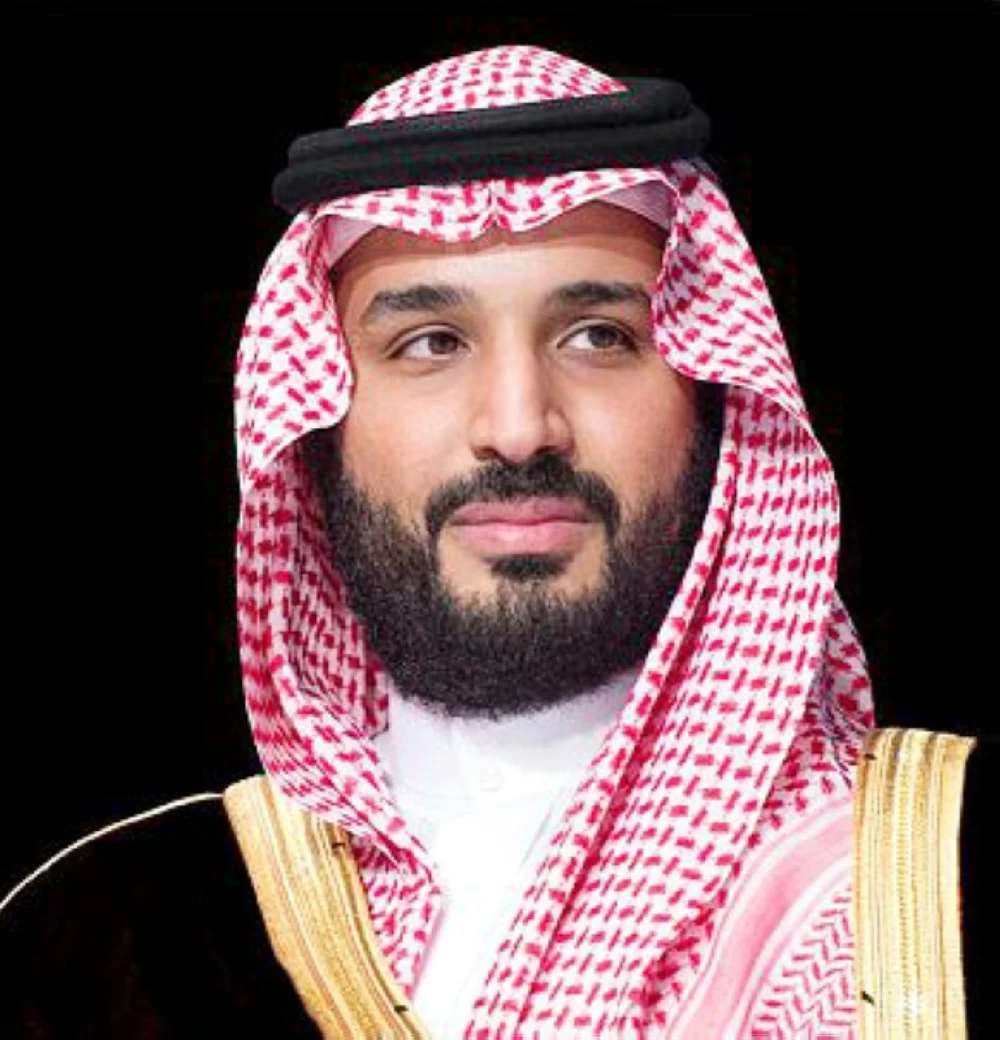
بدأت تتجلى إنجازات المملكة في الطريق إلى عام 2030، محققة توقعات ولي العهد رئيس مجلس الوزراء الأمير محمد بن سلمان، الذي يعدُّ العقل المُدبِّر والمشرف الرئيسي على «رؤية السعودية 2030»، التي نقلت السعودية، خلال عقد فحسب، لتصبح قوة اقتصادية قادرة على التخلي عن الاعتماد على مداخيل النفط وحدها.
وأضحى قطاع السياحة والضيافة السعودي قصة نجاح تتناولها دول العالم المتقدم والنامي بقدر كبير من الإعجاب. ففيما أدى إنفاق المملكة 304 مليارات من الدولارات على قطاع السياحة، أحدث ذلك فَوْرَة كبيرة في واقع الضيافة، ممثلاً في بناء عشرات الفنادق ودور الضيافة، وإضافة مئات آلاف الغرف الفندقية، من مدينة نيوم المستقبلية إلى حواري مدينة الدرعية التاريخية. وهو ما حدا بخبراء إلى القول إن السياحة السعودية لم تعد صناعة ثانوية؛ بل غدت محركاً اقتصادياً ذا تأثير ملموس. وأعلن موقع (ويغو) المتخصص في جمع بيانات السفر أن حجز مقاعد على الرحلات الجوية الداخلية في المملكة زاد بنسبة 64% خلال الشتاء الحالي، خصوصاً الرحلات القاصدة العاصمة الرياض، والطائف، وتبوك.
وعزت البيانات تلك الزيادة إلى تعدد الخيارات المتاحة أمام السياح السعوديين، وتوافر سبل الضيافة الراقية، والرغبة في استكشاف المواقع الثقافية والترفيهية، من دون حاجة إلى السفر خارج المملكة. وبلغت نسبة زيادة الحجوزات الجوية للرياض 59.44%؛ فيما بلغت الزيادة في السفر للطائف 67.97%. وزادت الرحلات المتجهة إلى تبوك بـ40.90%. وأشار محللو (ويغو) إلى أن تلك الزيادة تعني ارتفاع الطلب على الوجهات التي تتوافر فيها فرص التمتع بأماكن الجذب والتنزه خلال نهاية الأسبوع، أو خلال العطلات العائلية القصيرة. وتشير البيانات إلى أن 21% من الحجوزات تمت قبل يوم واحد فحسب من السفر. كما أن المناسبات الجماهيرية في العاصمة استقطبت عدداً كبيراً من السعوديين، فضلاً عن تزايد عدد المعتمرين، وعدد الراغبين في زيارة الجزر السياحية المعزولة في البحر الأحمر.
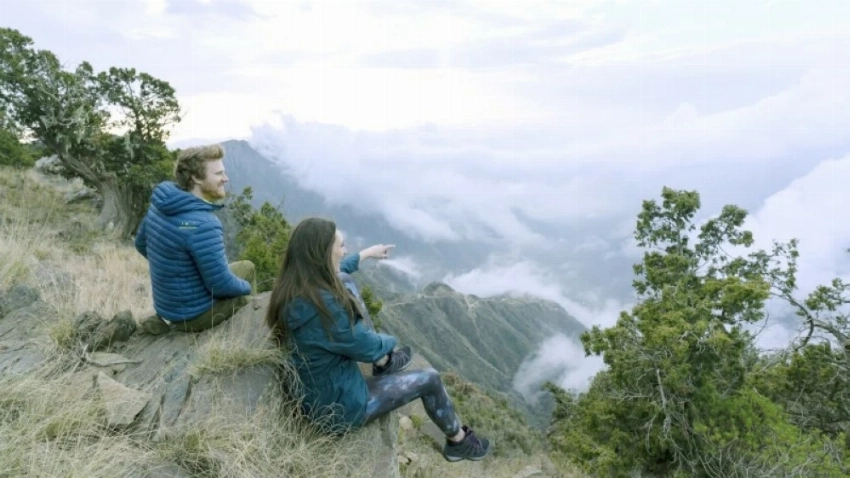
وتشير بيانات إلى أن المملكة لديها حالياً أكثر من 250 ألف غرفة فندقية، إما في طور التخطيط، أو التشييد، خصوصاً أن المملكة تستعد لاستضافة معرض إكسبو 2030. ويجري العمل بوتيرة متسارعة لإنجاز مطار الملك سلمان الدولي بالرياض. وهو صرحٌ تستعد له العاصمة السعودية بسلسلة من أفخم الفنادق العالمية. وذكر تقرير (ويغو): لم تعد المشاريع العملاقة مثل مدينة نيوم وجزر البحر الأحمر مجرد أفكار، أو خطط على الورق؛ فخلال 2026م، سيتم افتتاح مزيد من المنتجعات العملاقة لتوفر استدامة ورفاهية تتحديان المنتجعات التقليدية كالريفير الفرنسية وجزر المالديف. وليست السياحة مصدر دخل فحسب، فقد أضحت أكبر مصنع لتوفير الفرص الوظيفية. فقد وفرت أكثر من 150 ألف وظيفة جديدة للسعوديين في مختلف مجالات الضيافة. وعزز ذلك الإنجاز توجه الجهات الرسمية للتركيز على «السياحة الثقافية»؛ ومنها التوجه نحو المناطق الأثرية التي تعدها منظمة اليونسكو ضمن مواقع التراث العالمي. وأدى الإنفاق السعودي السخي على تطوير السياحة والضيافة إلى إقبال شركات الخطوط الجوية العالمية على فتح خطوط جديدة لرحلاتها إلى الرياض وجدة.
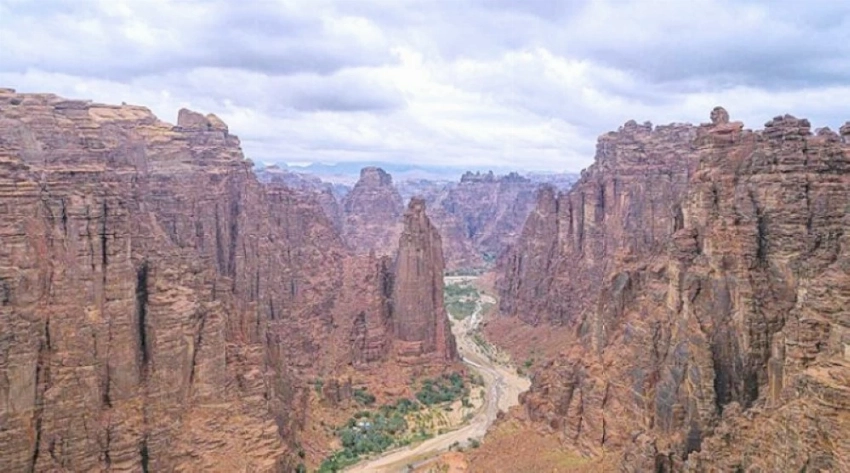
واعتبرت (ويغو) أن إنفاق المملكة 81 مليار دولار على السياحة والضيافة يمثل دفعة قوية لاقتصاد السفر العالمي. فقد أثبتت خطط الأمير محمد بن سلمان بن عبدالعزيز أن المملكة قادرة على تحويل الصحراء إلى منطقة جذب سياحي عالمي، من خلال رؤية جديدة، ومن خلال تطوير «الحفاوة» التقليدية السعودية إلى صناعة ضيافة حديثة تلائم سكان العالم كله. وكان وزير السياحة أحمد الخطيب أعلن، الأربعاء الماضي، أن السعودية استقبلت 122 مليون زائر محلي ودولي خلال 2025، بزيادة 5% عن السنة الماضية. وتطمح رؤية 2030 إلى استقبال 150 مليون زائر للمملكة بحلول عام 2030. وبالأرقام المعلنة حديثاً، من الواضح أن السعودية ستحقق العدد المنشود في رؤيتها الحديثة المتطورة.
The achievements of the Kingdom are beginning to manifest on the road to 2030, fulfilling the expectations of Crown Prince and Prime Minister Mohammed bin Salman, who is the mastermind and main supervisor of the “Saudi Vision 2030.” This vision has transformed Saudi Arabia, in just a decade, into an economic power capable of moving away from reliance solely on oil revenues.
The Saudi tourism and hospitality sector has become a success story that is admired by both developed and developing countries. The Kingdom’s spending of 304 billion dollars on the tourism sector has sparked a significant boom in the hospitality landscape, represented by the construction of dozens of hotels and hospitality venues, and the addition of hundreds of thousands of hotel rooms, from the futuristic city of Neom to the alleys of the historic city of Diriyah. This has led experts to assert that Saudi tourism is no longer a secondary industry; rather, it has become an economic driver with a tangible impact. The travel data aggregation site (Wego) announced that bookings for domestic flights in the Kingdom increased by 64% during the current winter, particularly for flights to the capital Riyadh, Taif, and Tabuk.
The data attributed this increase to the variety of options available to Saudi tourists, the availability of upscale hospitality, and the desire to explore cultural and entertainment sites without the need to travel outside the Kingdom. The increase in flight bookings to Riyadh reached 59.44%, while the increase for travel to Taif was 67.97%. Flights heading to Tabuk increased by 40.90%. Analysts at (Wego) indicated that this increase signifies a rising demand for destinations where opportunities for enjoyment of attractions and leisure are available during weekends or short family holidays. The data shows that 21% of bookings were made just one day before travel. Additionally, public events in the capital attracted a large number of Saudis, along with a growing number of Umrah pilgrims and those wishing to visit the isolated tourist islands in the Red Sea. Data indicates that the Kingdom currently has more than 250,000 hotel rooms either in the planning or construction phase, especially as the Kingdom prepares to host Expo 2030. Work is progressing rapidly to complete King Salman International Airport in Riyadh, a landmark for which the Saudi capital is preparing with a series of the world’s most luxurious hotels. The (Wego) report stated: Mega projects like Neom City and the Red Sea Islands are no longer just ideas or plans on paper; by 2026, more giant resorts will be opened to provide sustainability and luxury that challenge traditional resorts like the French Riviera and the Maldives. Tourism is not just a source of income; it has become the largest factory for job creation. It has provided over 150,000 new jobs for Saudis in various hospitality fields. This achievement has reinforced the official focus on “cultural tourism,” including the emphasis on archaeological areas recognized by UNESCO as World Heritage Sites. Saudi Arabia’s generous spending on developing tourism and hospitality has led global airlines to open new routes to Riyadh and Jeddah. (Wego) considered that the Kingdom’s spending of 81 billion dollars on tourism and hospitality represents a strong boost for the global travel economy. Crown Prince Mohammed bin Salman bin Abdulaziz’s plans have proven that the Kingdom is capable of transforming the desert into a global tourist attraction through a new vision and by developing traditional Saudi “hospitality” into a modern hospitality industry that suits people from all over the world. Tourism Minister Ahmed Al-Khateeb announced last Wednesday that Saudi Arabia welcomed 122 million local and international visitors in 2025, an increase of 5% from the previous year. Vision 2030 aims to welcome 150 million visitors to the Kingdom by 2030. With the recently announced figures, it is clear that Saudi Arabia will achieve the desired number in its modern and evolving vision.