

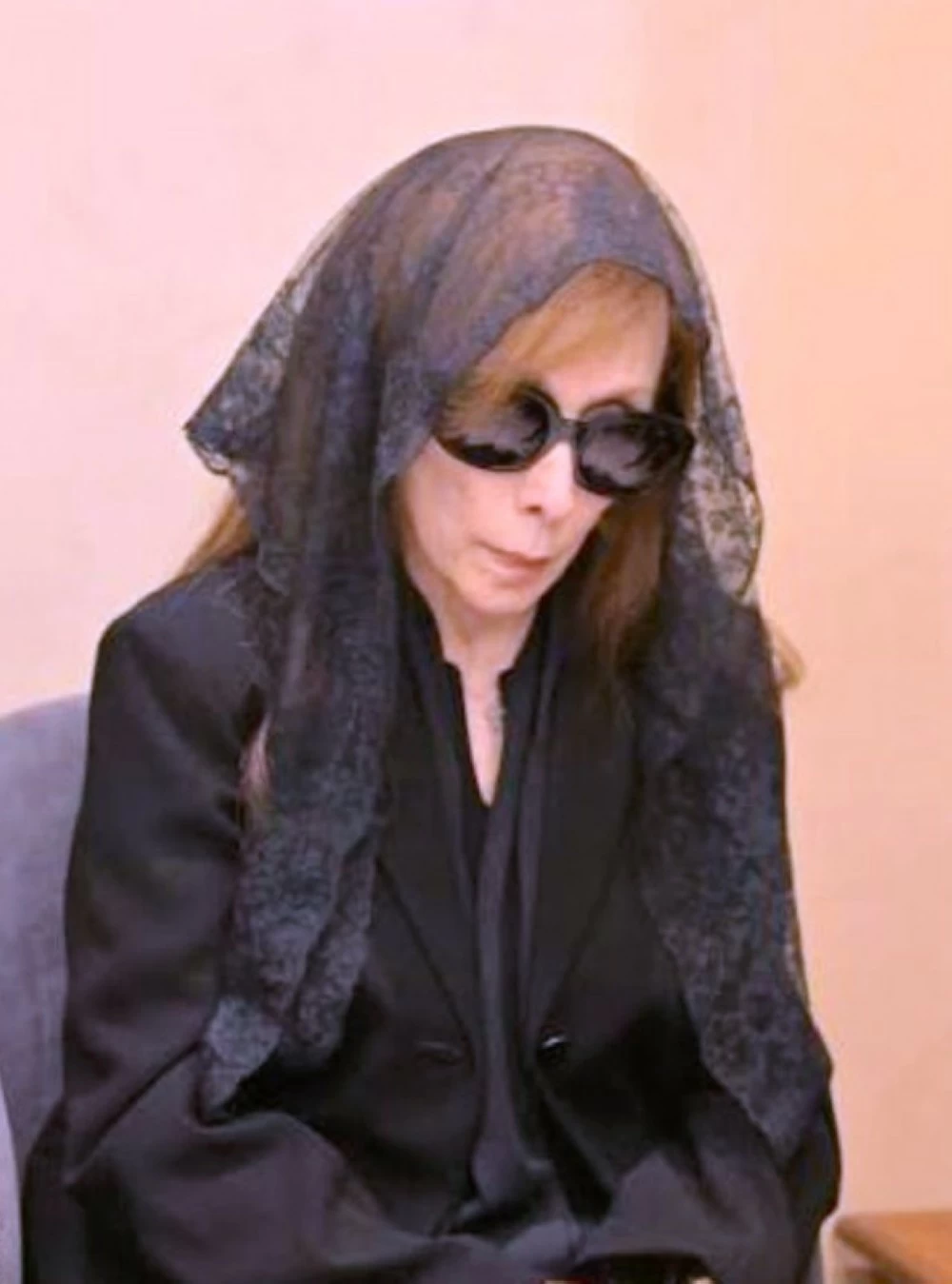
لم يكن اختلاف المشهد بين وداعَي ابنيها مجرّد تفصيل عابر، بل انعكاس دقيق لطبيعة علاقتين إنسانيتين مختلفتين عاشتْهما السيدة فيروز بكل ما تحمله الأمومة من تعقيد وقرب وألم.
في وداع زياد الرحباني، بدت فيروز متماسكة على نحو لافت. لم يكن ذلك لأن الفقد أخف، بل لأن العلاقة نفسها كانت موزّعة على مساحات واسعة. زياد لم يكن ابن البيت فقط، بل ابن الأسئلة، والاختلاف، والقلق الدائم. علاقة مفتوحة على النقاش، على التباعد أحيانًا، وعلى حضور لا يشبه الحضور التقليدي للأبناء. كان قريبًا منها، لكن قربه لم يكن يوميًا بسيطًا؛ كان قربًا ذهنيًا وإنسانيًا معقّدًا، يحتاج صبرًا طويلًا أكثر مما يحتاج عاطفة ظاهرة.
كثيرون رأوا في جنازته فيروز الصلبة، لكن القلّة فقط فهمت أن هذا التماسك لم يكن قناعًا، بل نتيجة علاقة عاشت فيها الأم سنوات من القلق الصامت، من الخوف غير المعلن، ومن الاعتياد على الغياب الجزئي. كان زياد حاضرًا في حياتها، لكن حضوره لم يكن مستقرًا أو مطمئنًا، بل مليء بالتقلّبات التي تُدرّب القلب على الحذر أكثر من الانهيار.
في المقابل، جاء وداع هلي الرحباني مختلفًا تمامًا. هنا، انهارت فيروز. لم تُمسك دموعها، ولم تحاول. لأن العلاقة مع هلي كانت من النوع الآخر؛ علاقة يومية، مباشرة، بلا مسافات. ابن لم يفارقها منذ ولادته، وكان ظلّها القريب، ورفيق تفاصيلها الصغيرة. حضور ثابت لا يحتاج تفسيرًا ولا تأويلًا.
رحيل هلي لم يترك فراغًا عاطفيًا فقط، بل فراغًا ملموسًا: بيتٌ ناقص، ليلٌ أطول، وصمتٌ أثقل. لذلك غلبتها دموعها، لأنها كانت تدرك، ربما للمرة الأولى، أنها ستعود وحدها إلى مكان كان عامرًا به. هذا النوع من الفقد لا يُحتمل بالصبر، ولا يُدار بالتماسك، لأنه يمسّ العادة قبل الذاكرة.
بين الحزنين، لم تتناقض فيروز، بل كانت صادقة مع كل علاقة كما هي. في وداع زياد، حزنت بحكمة أمّ خبرت القلق طويلًا. وفي وداع هلي، حزنت بانكسار أمّ فقدت رفيق يومها. والفرق بين المشهدين لم يكن في الحب، بل في شكل العيش مع هذا الحب.
هكذا ظهرت فيروز، لا كرمز، ولا كصورة محفوظة، بل كأمّ عاشت أمومتها بأشكال مختلفة، ودفعَت ثمنها في الحالتين. بعض الأبناء يُفقدون بصمت، وبعضهم يكسرون القلب حين يرحلون… وكلا الفقدين موجع، لكن كلٌّ بطريقته.
The difference in the scene between the farewells to her two sons was not merely a passing detail, but a precise reflection of two different human relationships that Mrs. Fairuz experienced, with all the complexities, closeness, and pain that motherhood entails.
In the farewell to Ziad Rahbani, Fairuz appeared remarkably composed. This was not because the loss was lighter, but because the relationship itself was spread over vast spaces. Ziad was not just a son of the household, but a son of questions, differences, and constant anxiety. It was a relationship open to discussion, sometimes marked by distance, and characterized by a presence that did not resemble the traditional presence of children. He was close to her, but his closeness was not a simple daily one; it was a complex mental and human closeness that required long patience more than it required overt affection.
Many saw in his funeral a solid Fairuz, but only a few understood that this composure was not a mask, but the result of a relationship in which the mother lived years of silent anxiety, unspoken fear, and accustomed to partial absence. Ziad was present in her life, but his presence was neither stable nor reassuring; rather, it was filled with fluctuations that trained the heart to be cautious rather than to collapse.
In contrast, the farewell to Hali Rahbani was completely different. Here, Fairuz broke down. She did not hold back her tears, nor did she try to. Because the relationship with Hali was of another kind; a daily, direct relationship, without distances. A son who had never left her since his birth, he was her close shadow and companion in her small details. A constant presence that needed no explanation or interpretation.
The departure of Hali left not only an emotional void but also a tangible one: an incomplete home, a longer night, and a heavier silence. Therefore, her tears overwhelmed her, as she realized, perhaps for the first time, that she would return alone to a place that was once filled with him. This kind of loss cannot be borne with patience, nor managed with composure, because it touches the habit before the memory.
Between the two sorrows, Fairuz did not contradict herself; rather, she was honest with each relationship as it was. In the farewell to Ziad, she mourned with the wisdom of a mother who has long experienced anxiety. And in the farewell to Hali, she mourned with the heartbreak of a mother who lost her daily companion. The difference between the two scenes was not in love, but in the way of living with that love.
Thus, Fairuz appeared, not as a symbol, nor as a preserved image, but as a mother who lived her motherhood in different forms and paid the price in both cases. Some children are lost silently, while others break the heart when they leave… and both types of loss are painful, but each in its own way.