

أكد مصدر مسؤول بالتحالف الإسلامي العسكري لمحاربة الإرهاب لـ«عكاظ» أن برنامج إعادة التأهيل والإدماج الاجتماعي لذوي الفكر المتطرف والسلوك الإرهابي (إدماج) يمثل أحد البرامج المتخصصة التي تعكس تحولاً نوعياً في مقاربة مواجهة الإرهاب من خلال التركيز على المعالجة الفكرية والاجتماعية إلى جانب الجوانب الأمنية في إطار الجهود الدولية لمحاربة الإرهاب وتعزيز الأمن الفكري والاجتماعي.
وأوضح أن البرنامج يأتي ضمن مبادرات التحالف الهادفة إلى دعم الدول الأعضاء في تطوير قدراتها في مجال إعادة التأهيل والإدماج وبناء منظومات مهنية قادرة على معالجة جذور التطرف والحد من مخاطره على المجتمعات.
وأشار إلى أن «إدماج» يرتكز على مفهوم شامل لإعادة التأهيل يتجاوز البعد السلوكي إلى إعادة بناء المنظومة الفكرية والنفسية والاجتماعية للفرد بما يسهم في إعادة دمجه بصورة إيجابية في المجتمع ويحد من احتمالات العودة إلى الفكر المتطرف ويعزز الاستقرار المجتمعي على المدى البعيد.
تنفيذ البرنامج في كينيا
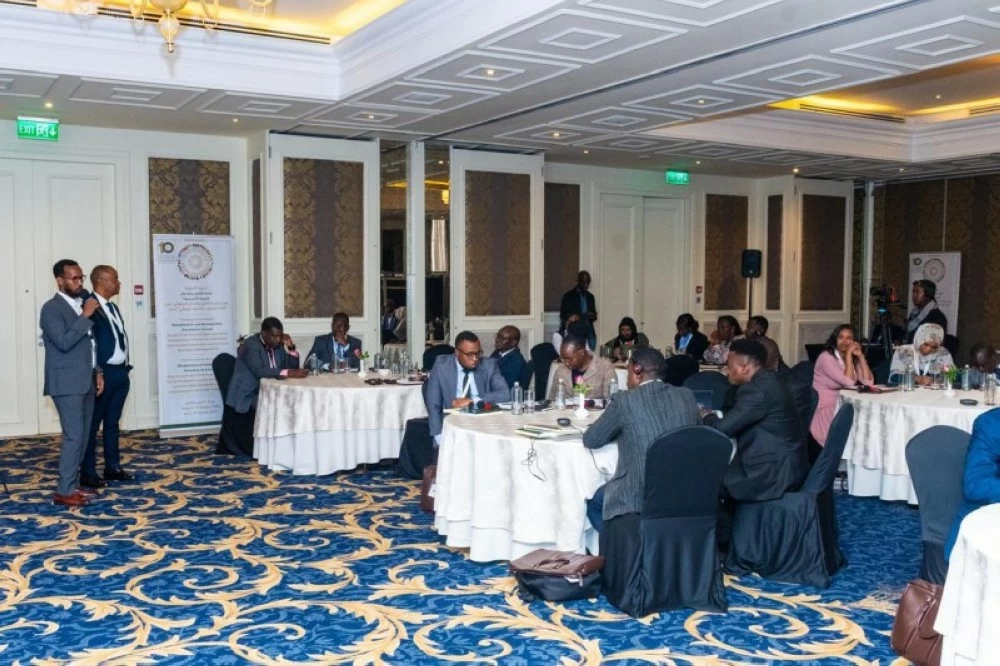
بيّن المصدر لـ«عكاظ» أنه نفّذ البرنامج التدريبي التأسيسي (إعادة التأهيل والإدماج الاجتماعي) ضمن مبادرة «إدماج» في العاصمة الكينية نيروبي في إطار جهوده المستمرة لتعزيز المقاربات الشاملة لمحاربة الإرهاب ومعالجة جذور التطرف والانتقال من المعالجات الأمنية التقليدية إلى نماذج متكاملة تجمع بين البعد الفكري والنفسي والاجتماعي بما يسهم في تحقيق الأمن المستدام والاستقرار المجتمعي في الدول الأعضاء.
إطار تدريبي منظم
المصدر أوضح أن البرنامج نُفّذ على مدى 5 أيام تدريبية، بمشاركة 40 مشاركاً وبإشراف 4 خبراء متخصصين، وباستخدام اللغتين العربية والإنجليزية، مستهدفاً المشرفين على برامج إعادة التأهيل والإدماج في الدول الأعضاء إلى جانب المختصين والعاملين في مجالات محاربة الإرهاب وإعادة التأهيل.
وسعى إلى رفع مستوى الوعي المؤسسي بمفهوم إعادة التأهيل والإدماج الاجتماعي كأداة استراتيجية في محاربة الإرهاب وبناء قدرات الكوادر الوطنية على تصميم وتنفيذ برامج الإدماج وفق معايير علمية ومهنية، إلى جانب توحيد المفاهيم والمنهجيات بين الدول الأعضاء وتعزيز تبادل الخبرات.
وتناول البرنامج 6 محاور رئيسية شملت مفاهيم إعادة التأهيل والإدماج الاجتماعي، والإطار النموذجي لبرامج التأهيل وأساسيات تصميمها، وطبيعة الجريمة الإرهابية وأبعادها، والأسس العلمية للتأهيل من المنظور الفكري والنفسي والاجتماعي، إضافة إلى التحديات المرتبطة ببرامج إعادة التأهيل والإدماج.
—
دلالات إستراتيجية
—
أكد المصدر لـ«عكاظ» أن تنفيذ برنامج «إدماج» يعكس التزامه بتعزيز المعالجة الفكرية والوقائية إلى جانب الجهود الأمنية، ودعم الدول الأعضاء في بناء قدراتها الوطنية لمحاربة الإرهاب بأساليب مستدامة وترسيخ مفهوم الشراكة الدولية في هذا المجال.
وأشار إلى أن برامج إعادة التأهيل والإدماج تمثل إحدى الركائز الرئيسية في منظومة محاربة الإرهاب الحديثة لما لها من دور في تعزيز الوقاية الفكرية وتقليل معدلات الانتكاس وتحقيق التوازن بين متطلبات الأمن وحماية المجتمع.
واختتم المصدر تصريحه لـ«عكاظ» بالتأكيد على أن برنامج إعادة التأهيل والإدماج الاجتماعي يمثل إحدى المبادرات النوعية التي تعكس توجهاً إستراتيجياً نحو بناء حلول شاملة لمعالجة التطرف قائمة على المعرفة والتأهيل وإعادة دمج الأفراد في مجتمعاتهم بصورة إيجابية وآمنة ضمن جهوده المستمرة لتعزيز الأمن والاستقرار في الدول الأعضاء ودعم الجهود الدولية لمحاربة الإرهاب بجميع أشكاله.
A responsible source from the Islamic Military Alliance to Combat Terrorism confirmed to “Okaz” that the rehabilitation and social integration program for individuals with extremist ideologies and terrorist behaviors (Integration) represents one of the specialized programs that reflect a qualitative shift in the approach to combating terrorism by focusing on intellectual and social treatment alongside security aspects within the framework of international efforts to combat terrorism and enhance intellectual and social security.
He explained that the program is part of the alliance’s initiatives aimed at supporting member states in developing their capabilities in the field of rehabilitation and integration and building professional systems capable of addressing the roots of extremism and mitigating its risks to communities.
He pointed out that “Integration” is based on a comprehensive concept of rehabilitation that goes beyond behavioral aspects to rebuild the intellectual, psychological, and social system of the individual, contributing to their positive reintegration into society, reducing the likelihood of a return to extremist ideologies, and enhancing community stability in the long term.
Implementation of the Program in Kenya
The source indicated to “Okaz” that the foundational training program (rehabilitation and social integration) was implemented under the “Integration” initiative in the Kenyan capital, Nairobi, as part of its ongoing efforts to enhance comprehensive approaches to combating terrorism and addressing the roots of extremism, transitioning from traditional security measures to integrated models that combine intellectual, psychological, and social dimensions, contributing to achieving sustainable security and community stability in member states.
Organized Training Framework
The source clarified that the program was conducted over 5 training days, with the participation of 40 participants and under the supervision of 4 specialized experts, using both Arabic and English, targeting supervisors of rehabilitation and integration programs in member states, as well as specialists and workers in the fields of combating terrorism and rehabilitation.
It aimed to raise institutional awareness of the concept of rehabilitation and social integration as a strategic tool in combating terrorism and building the capacities of national personnel to design and implement integration programs according to scientific and professional standards, in addition to unifying concepts and methodologies among member states and enhancing the exchange of experiences.
The program covered 6 main axes, including concepts of rehabilitation and social integration, the model framework for rehabilitation programs and their design fundamentals, the nature of terrorist crime and its dimensions, the scientific foundations of rehabilitation from intellectual, psychological, and social perspectives, in addition to the challenges associated with rehabilitation and integration programs.
—
Strategic Implications
—
The source confirmed to “Okaz” that the implementation of the “Integration” program reflects its commitment to enhancing intellectual and preventive treatment alongside security efforts, and supporting member states in building their national capacities to combat terrorism through sustainable methods and establishing the concept of international partnership in this field.
He pointed out that rehabilitation and integration programs represent one of the main pillars in the modern counter-terrorism system due to their role in enhancing intellectual prevention, reducing relapse rates, and achieving a balance between security requirements and community protection.
The source concluded his statement to “Okaz” by emphasizing that the rehabilitation and social integration program represents one of the qualitative initiatives that reflect a strategic direction towards building comprehensive solutions to address extremism based on knowledge, rehabilitation, and the positive and safe reintegration of individuals into their communities, as part of its ongoing efforts to enhance security and stability in member states and support international efforts to combat terrorism in all its forms.