

دخل الشرق الأوسط عام 2026 وهو يعيش واحدة من أعمق لحظات التحول في تاريخه الحديث. المنطقة التي هزّها زلزال 7 أكتوبر 2023 لم تستعد توازنها حتى اللحظة، بل دخلت في مسار تغييرات متراكمة أعادت رسم خرائط النفوذ، وبدّلت أدوار اللاعبين، وفتحت الباب أمام مشهد إقليمي جديد عنوانه الأساسي عودة الولايات المتحدة بقوة، وصعود المملكة العربية السعودية كلاعب مركزي في هندسة هذا المشهد.
عام المفاجآت الثقيلة
عام 2025 كان عام المفاجآت الثقيلة؛ سقوط نظام بشار الأسد في أواخر 2024 لم يكن حدثاً سورياً فحسب، بل كان زلزالاً إستراتيجياً امتدت ارتداداته إلى كامل الإقليم. للمرة الأولى منذ عقود، تدخل سورية مرحلة جديدة عنوانها الاهتمام الأمريكي – السعودي.
هذا السقوط فتح فراغاً إستراتيجياً سارعت القوى الكبرى إلى ملئه. تركيا عبر تقديم الدعم السياسي والعسكري، إسرائيل عبر ترسيخ واقع أمني جديد في جنوب سورية من خلال مناطق عازلة ومنزوعة السلاح، ووجود عسكري دائم في نقاط إستراتيجية أبرزها جبل الشيخ.
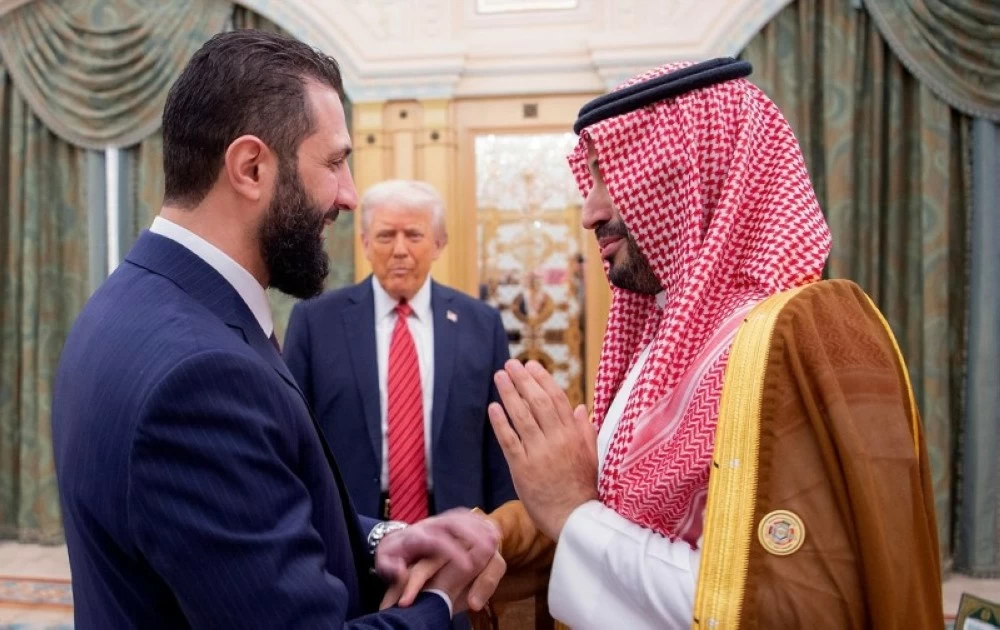
في المقابل، دخلت المملكة العربية السعودية إلى الملف السوري من أوسع أبوابه، لتكون أول قوة عربية تجلس على طاولة إعادة تركيب سورية، وتنجح في جمع الرئيس الأمريكي دونالد ترمب ونظيره السوري أحمد الشرع في لقاء مفصلي دشّن مرحلة جديدة من الانخراط العربي في الأزمة السورية.
نقطة الانعطاف الكبرى
زيارة الرئيس الأمريكي دونالد ترمب إلى دول الخليج في يونيو 2025 شكّلت نقطة الانعطاف الكبرى. من هناك أعلن العودة الأمريكية إلى الشرق الأوسط، واضعاً حداً لسنوات الانكفاء والتردد. من الرياض، أطلق شراكة اقتصادية وأمنية غير مسبوقة مع ولي العهد الأمير محمد بن سلمان، ورفع العقوبات عن سورية، وربط مصالح بلاده بمصالح المنطقة تحت شعار الاقتصاد أولاً. منذ تلك اللحظة، بدأت تتبلور ملامح ما يمكن تسميته الشرق الأوسط الأمريكي الجديد، حيث تلعب السعودية دور القاطرة السياسية والاقتصادية.
دور المملكة لم يقتصر على سورية، إذ تحولت إلى راعية أساسية لمسار حل الدولتين، ونجحت في إعطاء المشروع الفلسطيني زخماً دولياً بالتنسيق مع فرنسا، ما أجبر واشنطن على ملاقاة هذا التوجه بدل مواجهته. كما برز دورها كوسيط رئيسي في ملفات متعددة من غزة إلى لبنان وسورية، في وقت استعادت فيه مصر دورها الإقليمي عبر ملف الوساطة في غزة والنزاع المائي مع إثيوبيا.
مصير الدولة الفلسطينية
على خط غزة، انتهت الحرب بضغط أمريكي، لكن آثارها ما زالت تحكم المشهد. إسرائيل خرجت من القطاع مثقلة بالخسائر السياسية والأخلاقية، لكنها تستعد لنقل ثقل عملياتها إلى الضفة الغربية المحتلة، حيث تسعى حكومة نتنياهو إلى تنفيذ خطة الحسم التي تبدأ بإحداث فوضى، وتستهدف إسقاط السلطة الفلسطينية، وصولاً إلى فرض وقائع الضم والترحيل. هكذا بات مصير الدولة الفلسطينية يُحسم بين أنقاض غزة واشتباكات الضفة.
في لبنان، تبدلت المعادلات، حزب الله خرج من الحرب خاسراً قادته وعمقه السوري وممراته. فيما بات الملف اللبناني جزءاً من سلة تفاوض دولية أوسع، وعليه تعيش البلاد على وقع ضغوط خارجية لإعادة ترتيب التوازنات الداخلية ضمن النظام الإقليمي الجديد.
زمن إعادة التموضع
في الخلفية، تبقى الحرب الإسرائيلية – الإيرانية هي الأخطر. جولة يونيو 2025 انتهت بلا غالب ولا مغلوب، لكنها فتحت الباب أمام سباق تسلح واستعدادات متبادلة لجولة ثانية يتوقع أن تكون أكثر دموية. وقف إطلاق النار الذي فرضه ترمب بتغريدة، يفتقر إلى أي ترتيبات سياسية أو آليات رقابة، ما يجعل الانفجار مجدداً مسألة وقت.
وسط كل ذلك، يتضح أن المنطقة دخلت زمن إعادة التموضع. اللاعبون التقليديون تراجعوا والقوى الصاعدة تقدمت؛ وعلى رأسها المملكة العربية السعودية التي لم تعد تكتفي بدور الوسيط، بل باتت شريكاً كاملاً في صناعة القرار الإقليمي. من الرياض انطلق المسار الأمريكي الجديد، وإليها تتجه الأنظار في كل تسوية محتملة سواء في فلسطين أو سورية أو لبنان.
الشرق الأوسط في 2026 ليس امتداداً لما كان عليه قبل ثلاث سنوات. إنه إقليم يعاد تركيبه تحت ضغط الحروب وصفقات السلام، تقوده واشنطن بعقلية رجل الصفقات، وتحتل فيه المملكة العربية السعودية موقع القلب النابض، فيما تتحرك إسرائيل لتكريس وقائع جديدة على الأرض، وتبقى المنطقة كلها معلقة على سؤال واحد: هل تكون المرحلة القادمة بداية تسويات كبرى، أم مقدمة لجولات أعنف من الصراع؟
The Middle East entered 2026 living through one of the deepest moments of transformation in its modern history. The region, shaken by the earthquake of October 7, 2023, has not yet regained its balance; instead, it has entered a path of cumulative changes that have redrawn maps of influence, altered the roles of players, and opened the door to a new regional scene whose main theme is the strong return of the United States and the rise of Saudi Arabia as a central player in shaping this scene.
The Year of Heavy Surprises
The year 2025 was the year of heavy surprises; the fall of Bashar al-Assad’s regime in late 2024 was not just a Syrian event, but a strategic earthquake whose repercussions extended throughout the region. For the first time in decades, Syria entered a new phase characterized by American-Saudi interest.
This fall created a strategic vacuum that major powers rushed to fill. Turkey provided political and military support, Israel established a new security reality in southern Syria through buffer zones and demilitarized areas, and maintained a permanent military presence at strategic points, most notably Mount Hermon.
In contrast, Saudi Arabia entered the Syrian file through the widest doors, becoming the first Arab power to sit at the table for reconstructing Syria, successfully bringing together U.S. President Donald Trump and his Syrian counterpart Ahmad al-Shara in a pivotal meeting that inaugurated a new phase of Arab engagement in the Syrian crisis.
The Major Turning Point
U.S. President Donald Trump’s visit to the Gulf countries in June 2025 marked the major turning point. From there, he announced the American return to the Middle East, putting an end to years of retreat and hesitation. From Riyadh, he launched an unprecedented economic and security partnership with Crown Prince Mohammed bin Salman, lifted sanctions on Syria, and linked his country’s interests to those of the region under the slogan of “economy first.” Since that moment, the outlines of what can be called the new American Middle East began to take shape, with Saudi Arabia playing the role of the political and economic locomotive.
The Kingdom’s role was not limited to Syria; it became a primary sponsor of the two-state solution process, successfully giving the Palestinian project international momentum in coordination with France, which forced Washington to meet this direction rather than confront it. Its role also emerged as a key mediator in multiple files from Gaza to Lebanon and Syria, at a time when Egypt regained its regional role through mediation in Gaza and the water dispute with Ethiopia.
The Fate of the Palestinian State
On the Gaza front, the war ended under American pressure, but its effects still govern the scene. Israel emerged from the sector burdened with political and moral losses, but it is preparing to shift the weight of its operations to the occupied West Bank, where Netanyahu’s government seeks to implement a decisive plan that begins with creating chaos, targeting the Palestinian Authority, and ultimately imposing realities of annexation and displacement. Thus, the fate of the Palestinian state is being determined between the ruins of Gaza and clashes in the West Bank.
In Lebanon, equations changed; Hezbollah emerged from the war losing its leaders, its Syrian depth, and its corridors. Meanwhile, the Lebanese file became part of a broader international negotiation basket, and the country lives under external pressures to rearrange internal balances within the new regional system.
The Era of Repositioning
In the background, the Israeli-Iranian war remains the most dangerous. The June 2025 round ended with no winner or loser, but it opened the door to an arms race and mutual preparations for a second round expected to be bloodier. The ceasefire imposed by Trump via a tweet lacks any political arrangements or monitoring mechanisms, making another explosion merely a matter of time.
Amid all this, it is clear that the region has entered an era of repositioning. Traditional players have retreated, and rising powers have advanced; at the forefront is Saudi Arabia, which is no longer content with a mediating role but has become a full partner in regional decision-making. From Riyadh, the new American path was launched, and all eyes are directed toward it in any potential settlement, whether in Palestine, Syria, or Lebanon.
The Middle East in 2026 is not an extension of what it was three years ago. It is a region being restructured under the pressure of wars and peace deals, led by Washington with the mentality of a dealmaker, with Saudi Arabia occupying the position of the beating heart, while Israel moves to establish new realities on the ground, leaving the entire region hanging on one question: Will the next phase mark the beginning of major settlements, or will it be a prelude to even more violent rounds of conflict?