

في عام وصفه الخبراء بـ«الأسوأ من حيث آثار التغير المناخي»، تكشف دراسة حديثة لمنظمة كريستيان إيد أن الخسائر الاقتصادية الضخمة الناجمة عن الكوارث المناخية تجاوزت 120 مليار دولار، لتضع العالم أمام صدمة بيئية واقتصادية غير مسبوقة.
وفي صدارة الكوارث، اندلعت حرائق باليسيدز وإيتون في كاليفورنيا خلال يناير 2025، مسببة خسائر فاقت 60 مليار دولار، وأسفرت عن وفاة أكثر من 400 شخص. ودمرت الحرائق آلاف المنازل، بما في ذلك منازل مشاهير مثل باريس هيلتون، والممثل يوجين ليفي. وأكد حاكم الولاية أن الحرائق لم تعد موسمية فقط، بل تهدد كاليفورنيا على مدار العام.
تلتها سلسلة أعاصير وأمطار غزيرة وفيضانات في تايلند وإندونيسيا وسريلانكا وفيتنام وماليزيا خلال نوفمبر، متسببة بخسائر قيمتها 25 مليار دولار ومقتل أكثر من 1750 شخصاً.
وفي هذا السياق، قال الرئيس التنفيذي لمنظمة كريستيان إيد إن باتريك وات: «هذه الكوارث هي جرس إنذار للعالم. إذا لم نسرع التحول بعيداً عن الوقود الأحفوري فإن الخسائر الاقتصادية والإنسانية ستستمر في الارتفاع».
وأكدت أستاذة الفيزياء الجوية في كلية إمبريال لندن جوانا هاي أن الكوارث ليست طبيعية، بل نتيجة مباشرة لاستخدام الوقود الأحفوري والتأخير السياسي في مواجهة التغير المناخي، مع تحميل المجتمعات الأفقر العبء الأكبر.
الكوارث المناخية الأعلى تكلفة في 2025
- حرائق باليسيدز وإيتون – الولايات المتحدة – يناير – 60+ مليار دولار
- أعاصير جنوب وجنوب شرق آسيا – نوفمبر – 25 مليار دولار
- أمطار غزيرة وفيضانات – الصين – يونيو إلى أغسطس – 11.7 مليار دولار
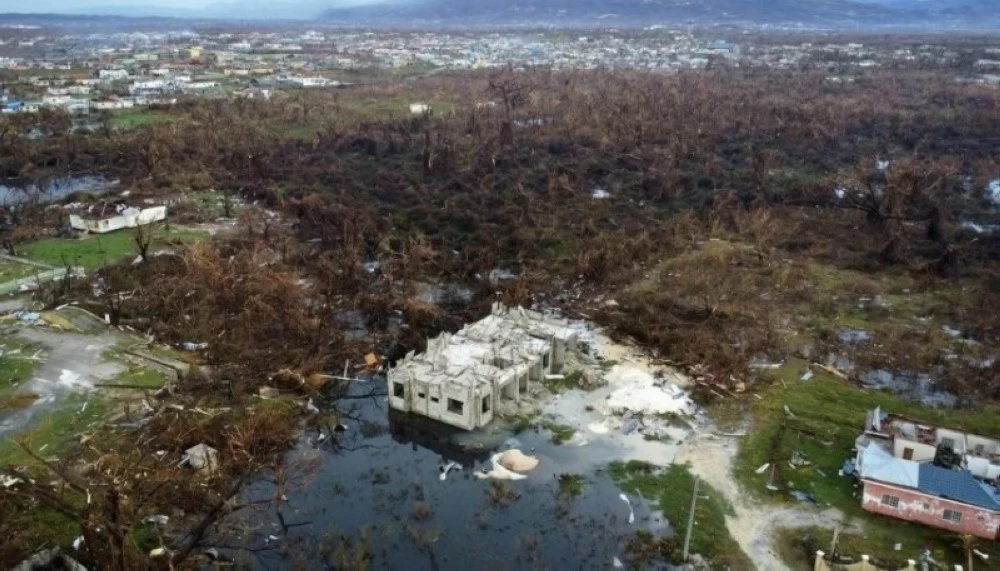
- إعصار ميلِسا – جامايكا وكوبا وجزر البهاما – 8 مليارات دولار
- أمطار موسمية وفيضانات وانهيارات أرضية – الهند وباكستان – 5.6 مليار دولار
- أعاصير وعواصف استوائية – الفلبين – أكثر من 5 مليارات دولار
- جفاف – البرازيل – 4.75 مليار دولار
- إعصار ألفريد – أستراليا – 1.2 مليار دولار
- إعصار غارانس – جزيرة ريونيون – 1.05 مليار دولار
- أمطار وفيضانات مفاجئة – تكساس، الولايات المتحدة – مليار دولار
ويمكن القول إن عام 2025 أثبت أن الكوارث المناخية لم تعد مجرد أخبار بعيدة عن حياتنا، بل تهدد الاقتصاد والمجتمعات على مستوى العالم، وتدفعنا جميعاً للتساؤل: إلى متى سيبقى العالم متفرجاً على هذه الكارثة قبل أن يتحرك؟
In a year described by experts as “the worst in terms of the effects of climate change,” a recent study by Christian Aid reveals that the massive economic losses resulting from climate disasters exceeded $120 billion, placing the world in the face of an unprecedented environmental and economic shock.
At the forefront of the disasters, the Palisades and Eaton fires erupted in California in January 2025, causing losses exceeding $60 billion and resulting in the deaths of more than 400 people. The fires destroyed thousands of homes, including those of celebrities like Paris Hilton and actor Eugene Levy. The state governor confirmed that the fires are no longer just seasonal; they threaten California year-round.
This was followed by a series of hurricanes, heavy rains, and floods in Thailand, Indonesia, Sri Lanka, Vietnam, and Malaysia during November, causing losses valued at $25 billion and the deaths of more than 1,750 people.
In this context, Patrick Watt, the CEO of Christian Aid, stated: “These disasters are a wake-up call for the world. If we do not accelerate the transition away from fossil fuels, economic and humanitarian losses will continue to rise.”
Joanna Haigh, a professor of atmospheric physics at Imperial College London, emphasized that the disasters are not natural but a direct result of fossil fuel use and political delays in addressing climate change, with the poorest communities bearing the brunt of the burden.
The Most Costly Climate Disasters of 2025
- Palisades and Eaton Fires – United States – January – $60+ billion
- Hurricanes in South and Southeast Asia – November – $25 billion
- Heavy Rains and Floods – China – June to August – $11.7 billion
- Tropical Storm Melissa – Jamaica, Cuba, and the Bahamas – $8 billion
- Seasonal Rains, Floods, and Landslides – India and Pakistan – $5.6 billion
- Hurricanes and Tropical Storms – Philippines – Over $5 billion
- Drought – Brazil – $4.75 billion
- Tropical Storm Alfred – Australia – $1.2 billion
- Tropical Storm Garance – Réunion Island – $1.05 billion
- Flash Floods – Texas, United States – $1 billion
It can be said that 2025 proved that climate disasters are no longer just distant news from our lives, but threaten economies and communities globally, prompting all of us to ask: How long will the world watch this disaster unfold before taking action?